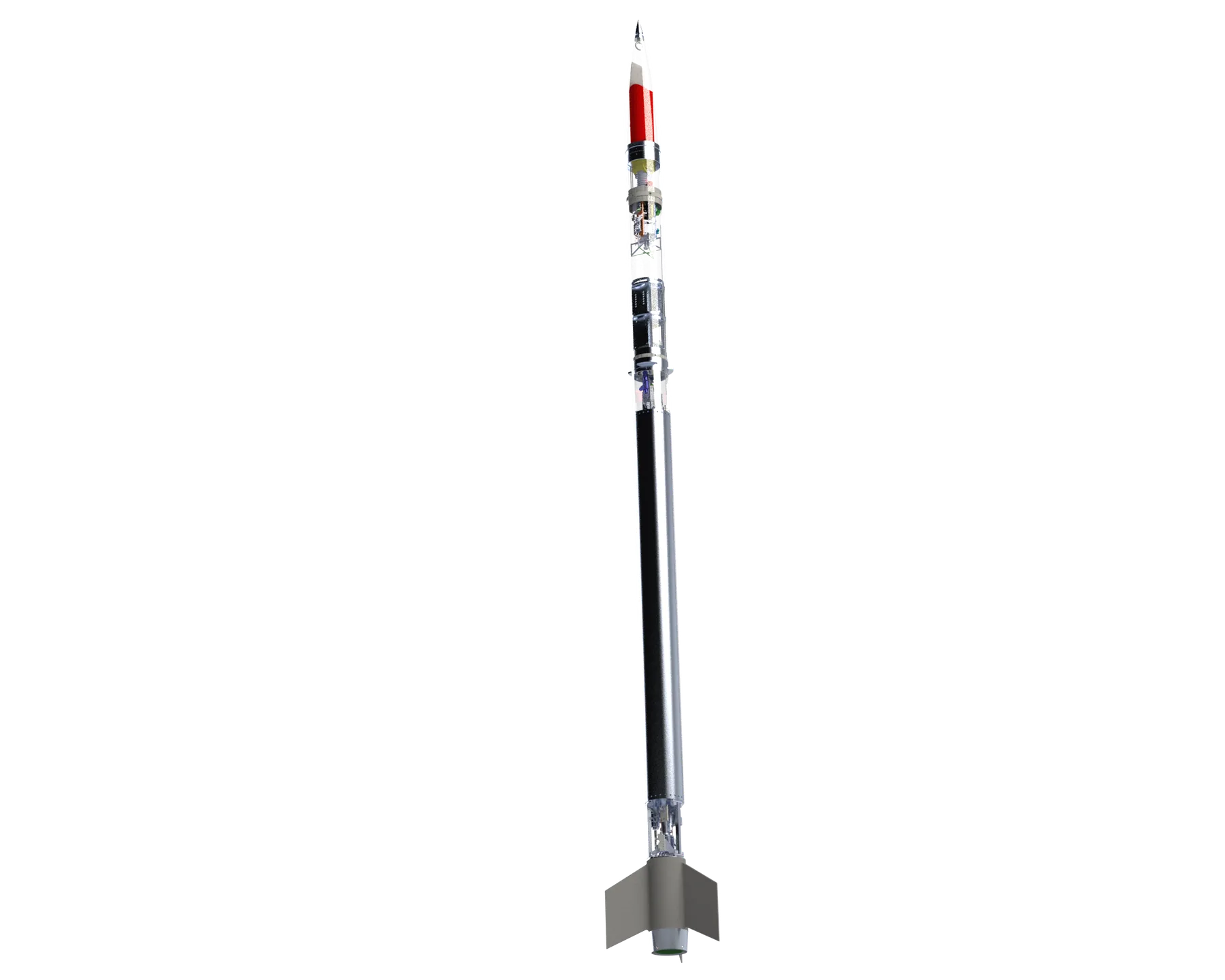
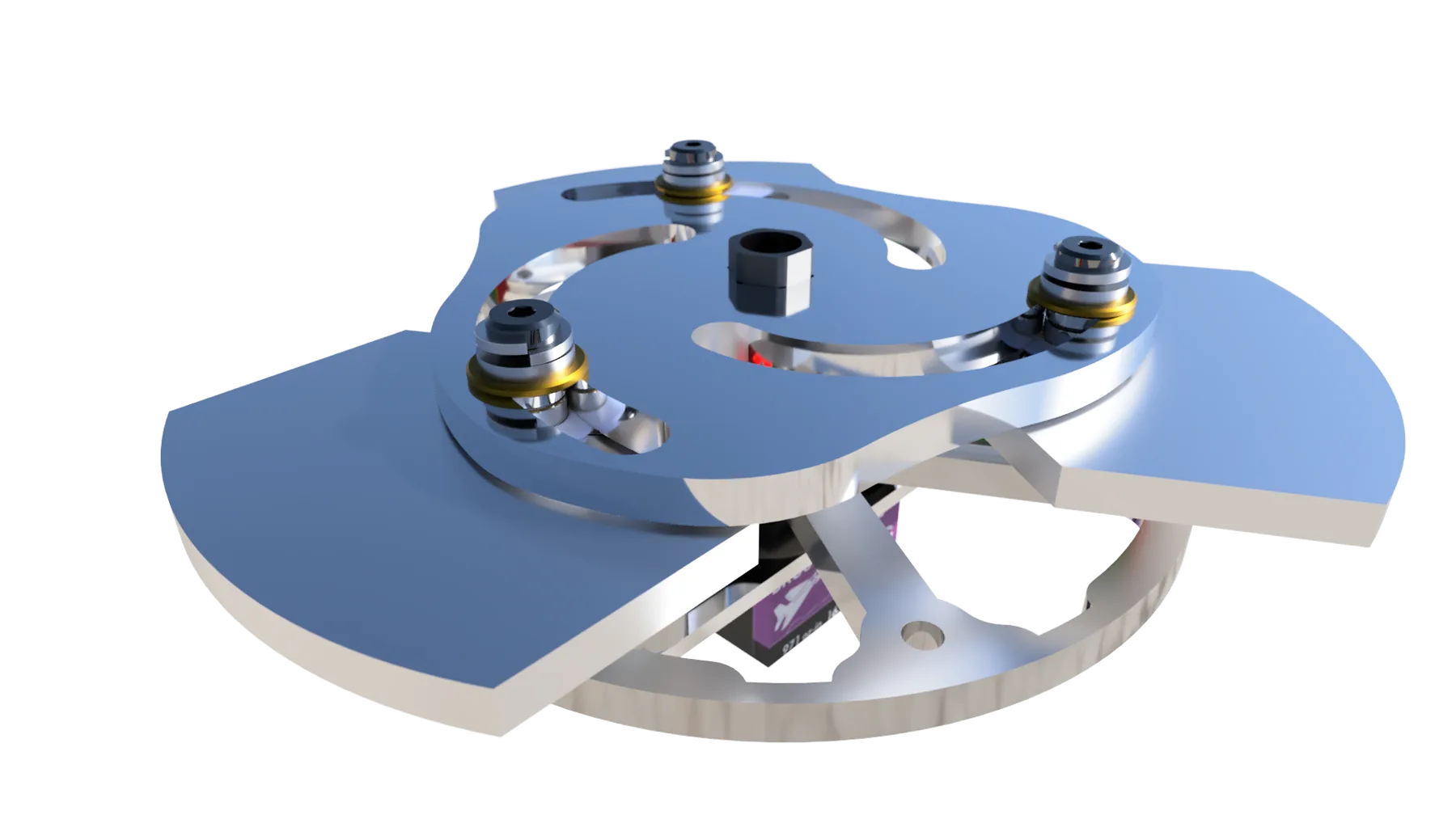
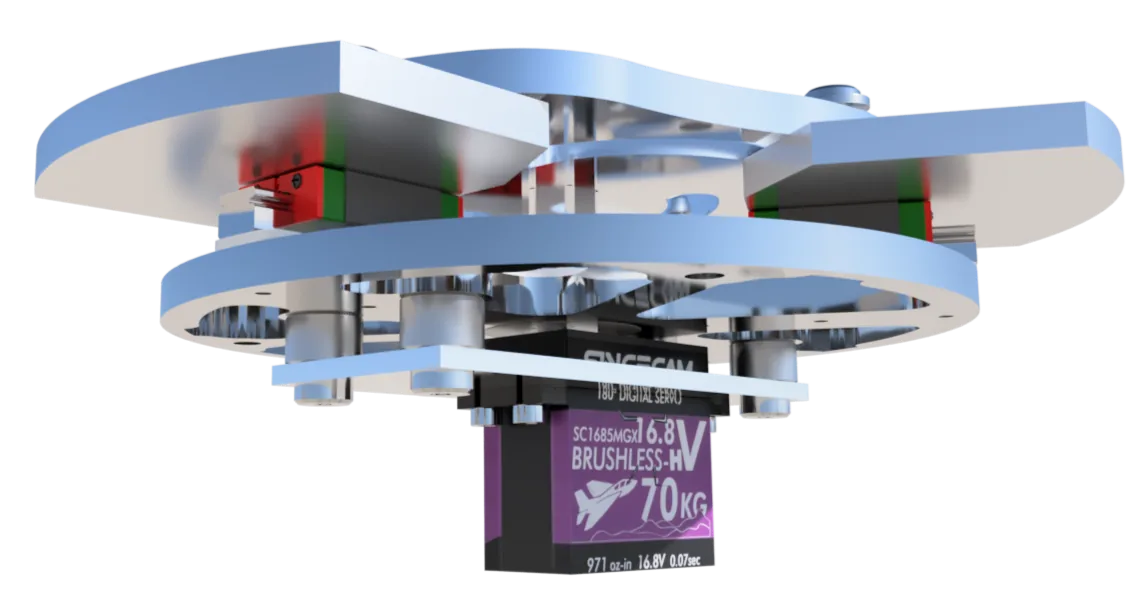
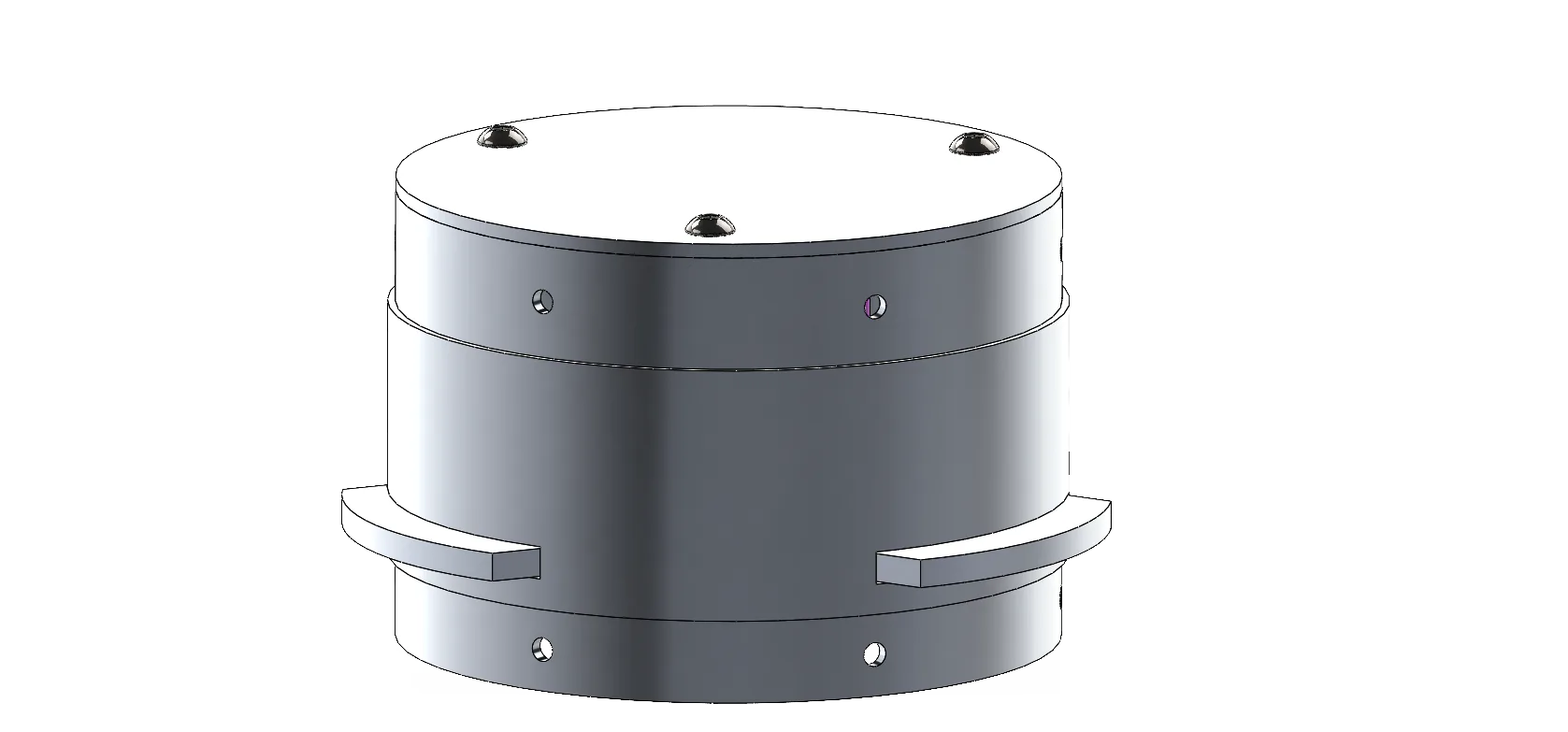
Designed the cam mechanism that drives three panels from one servo, and co-wrote the firmware that steers Borealis to its target apogee.
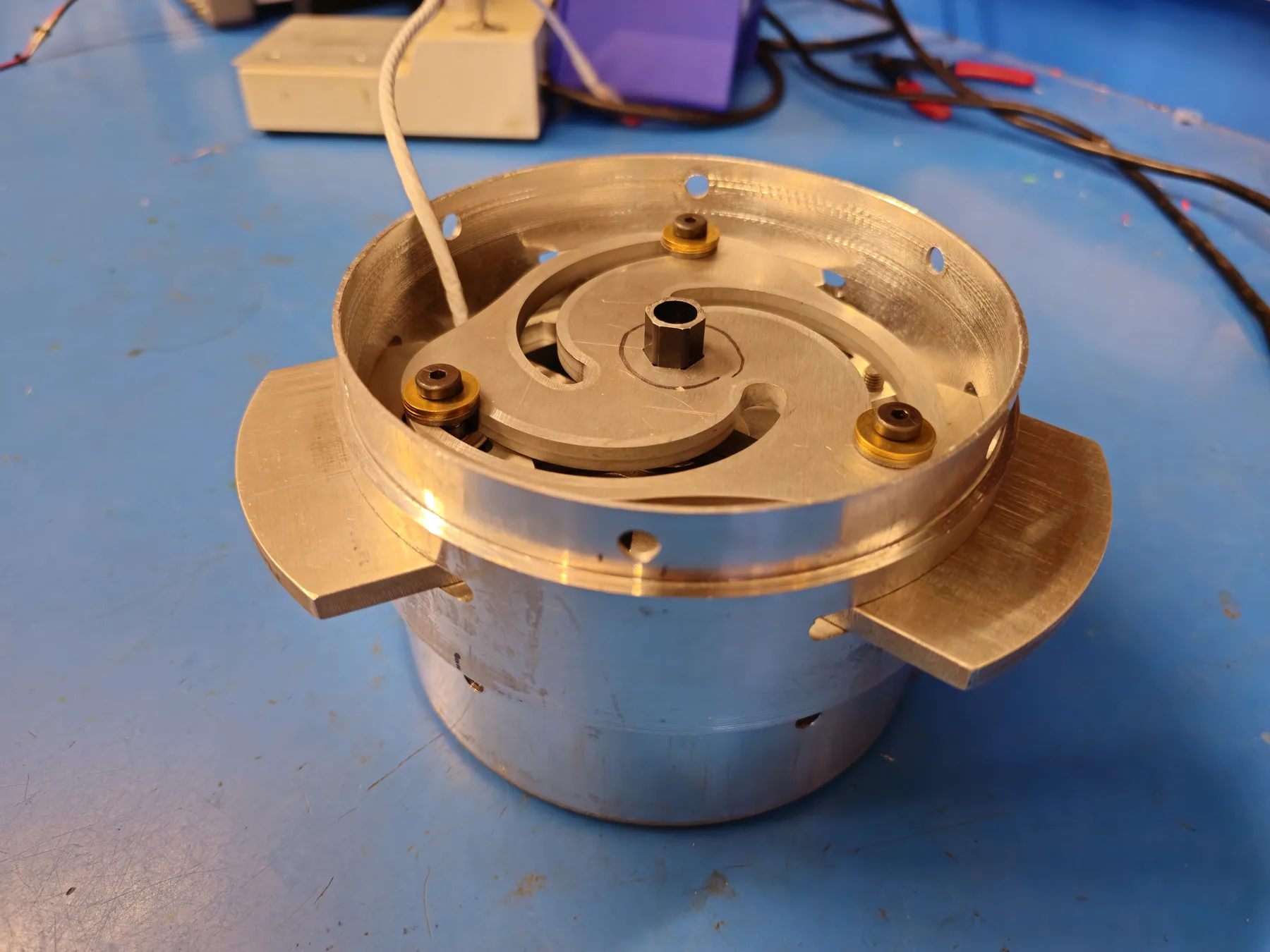
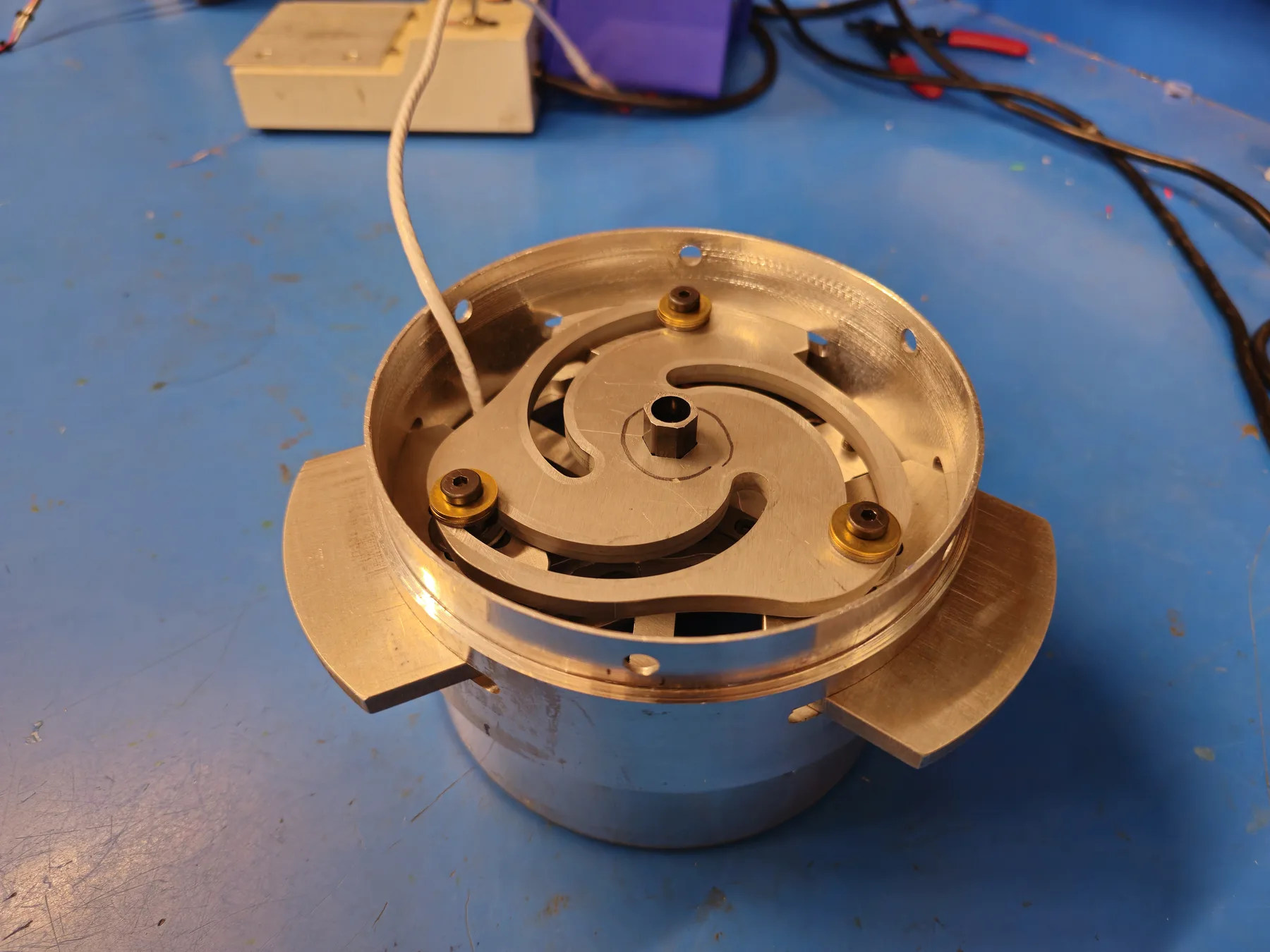
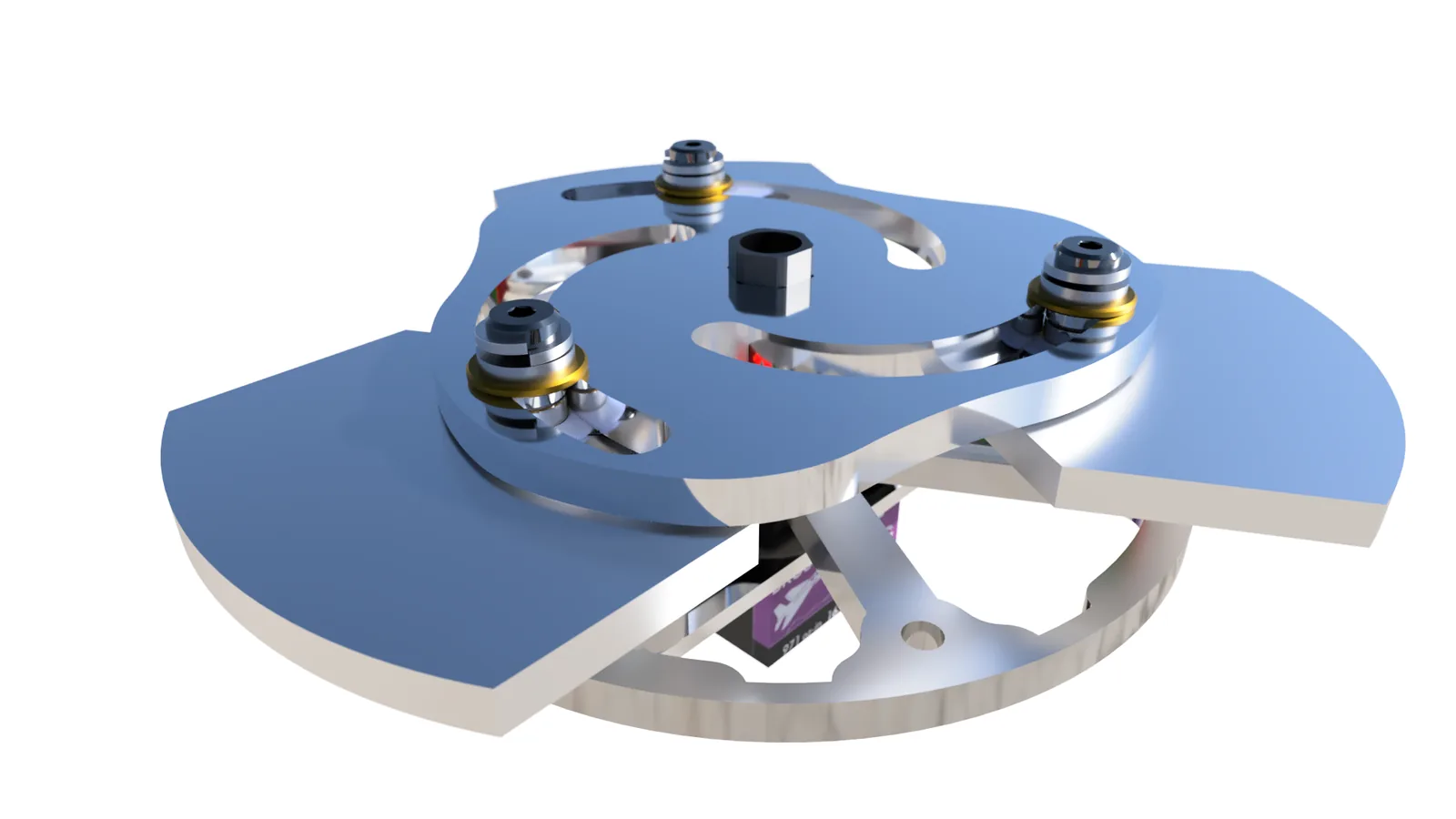
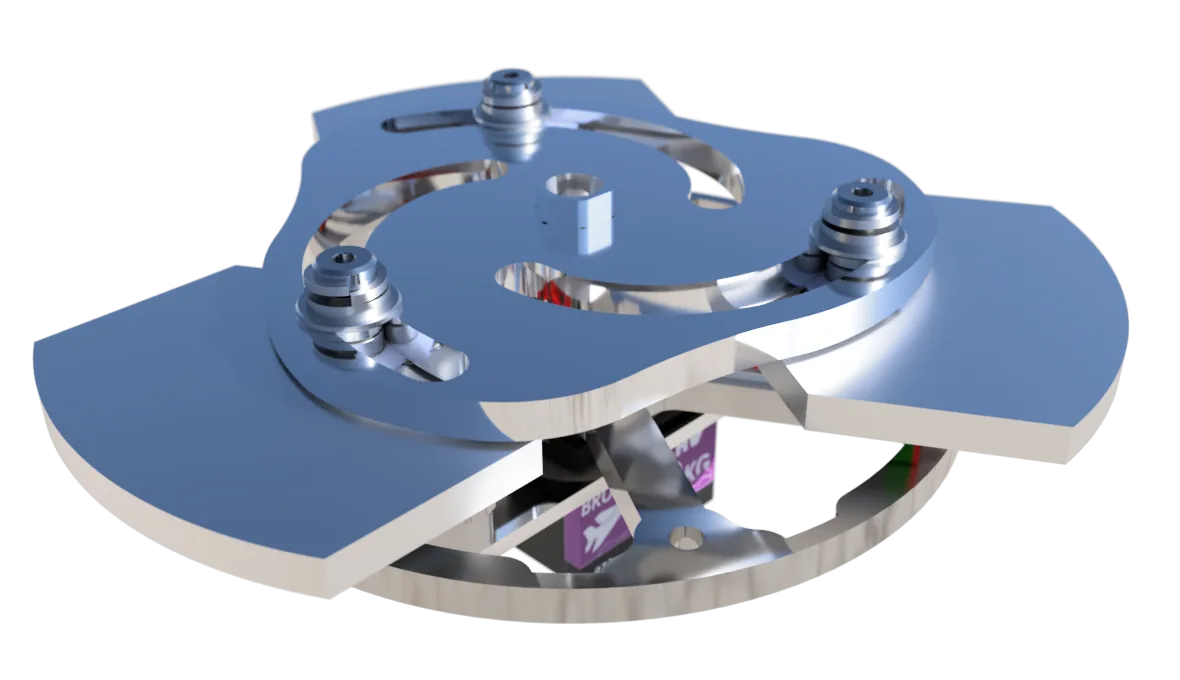
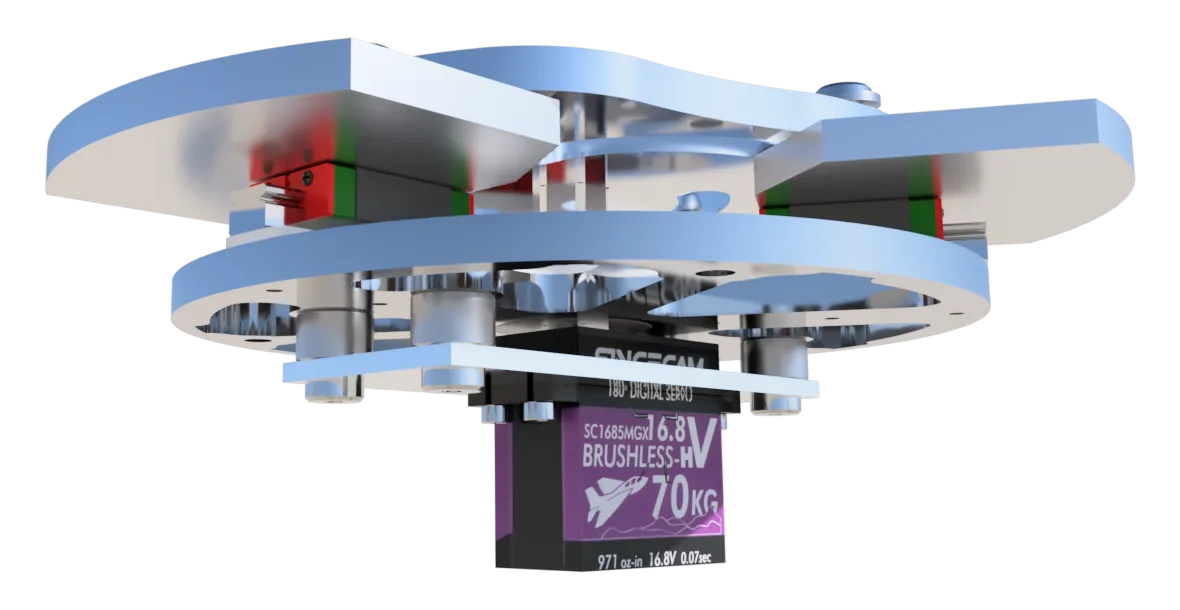
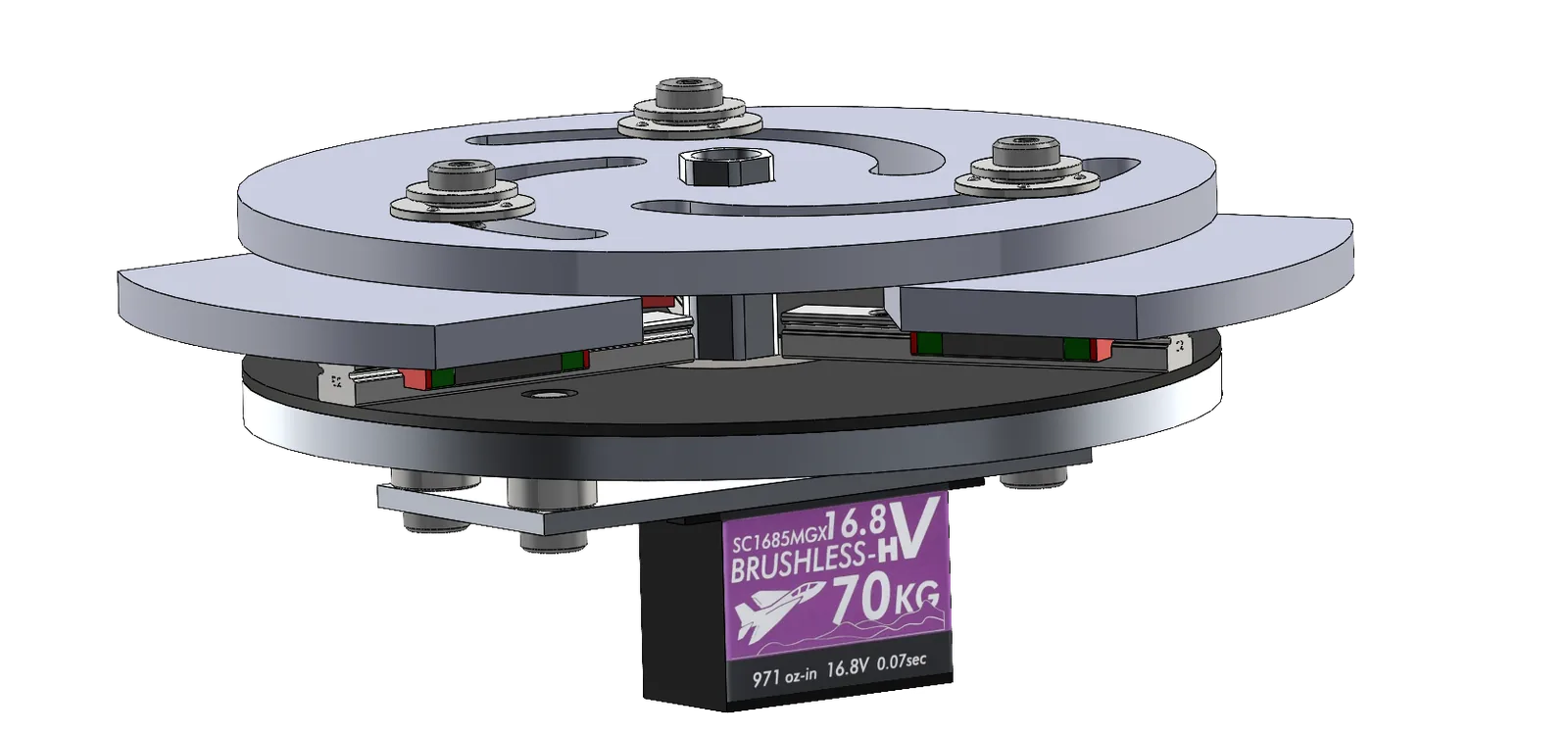
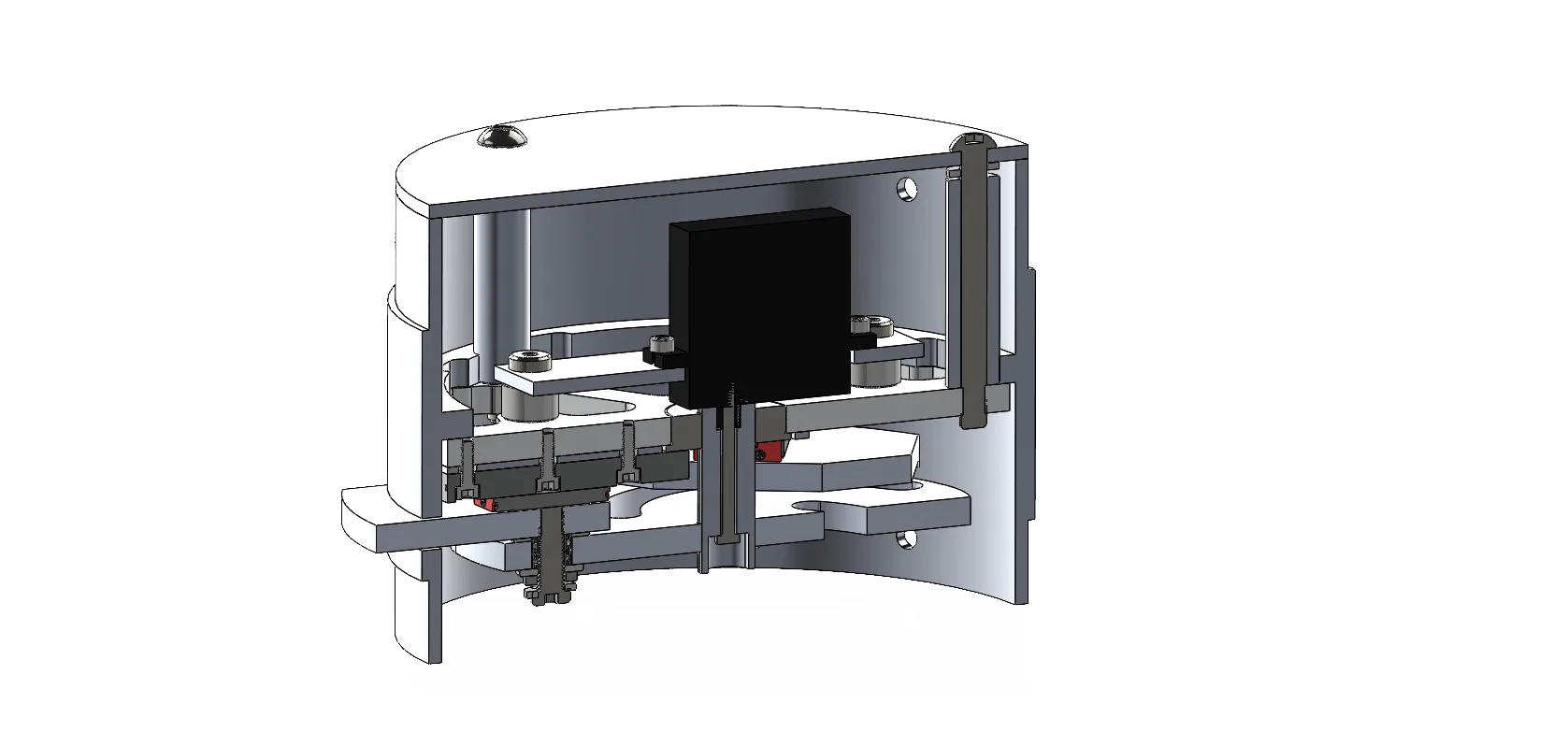
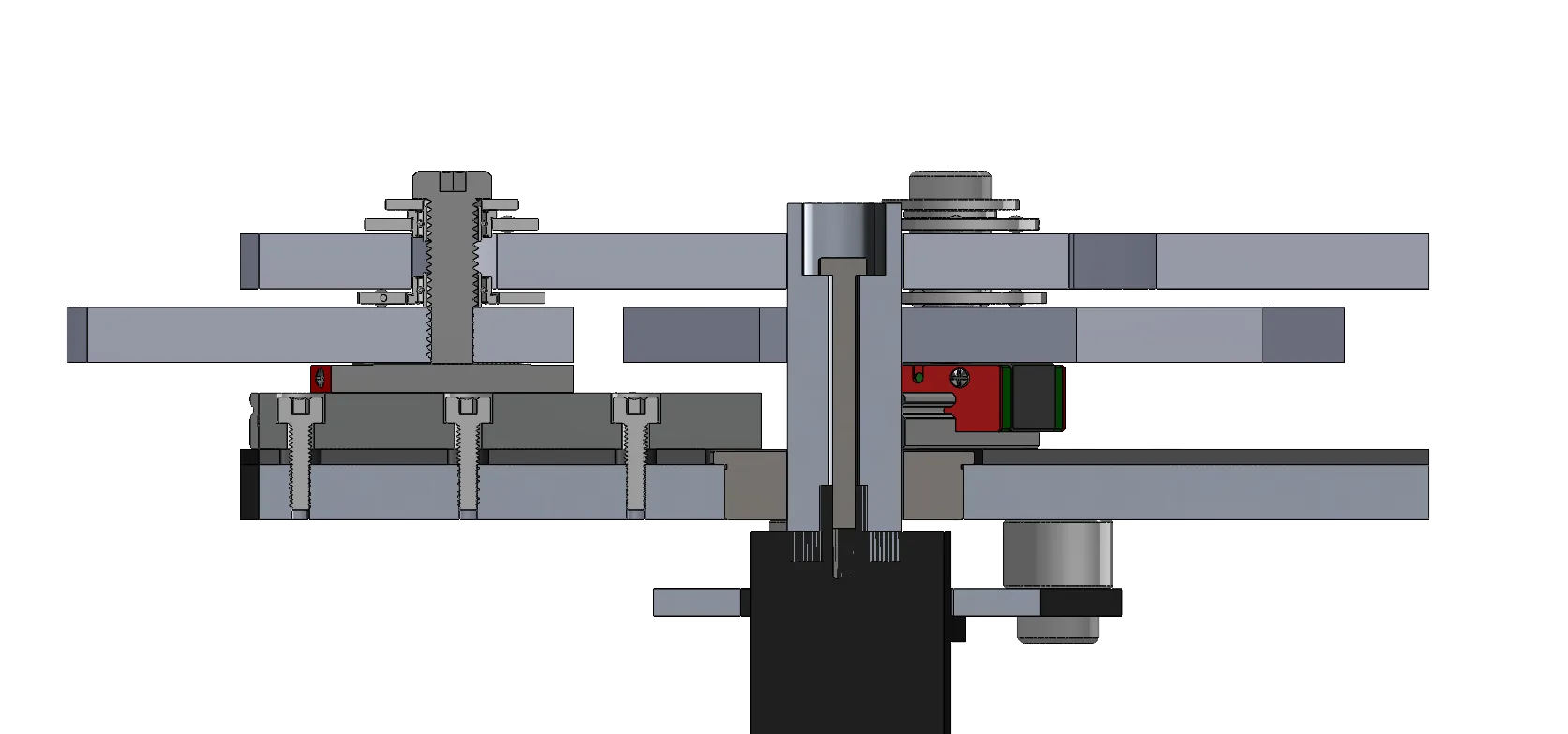
Designed the cam-slot mechanism that drives all three panels from one servo
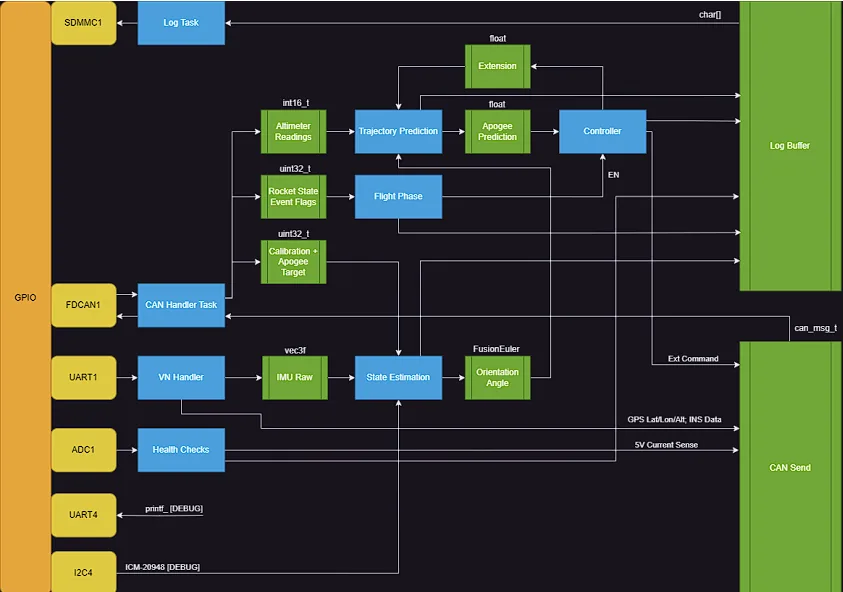
Co-wrote the STM32 firmware: state estimation, apogee prediction and PI control
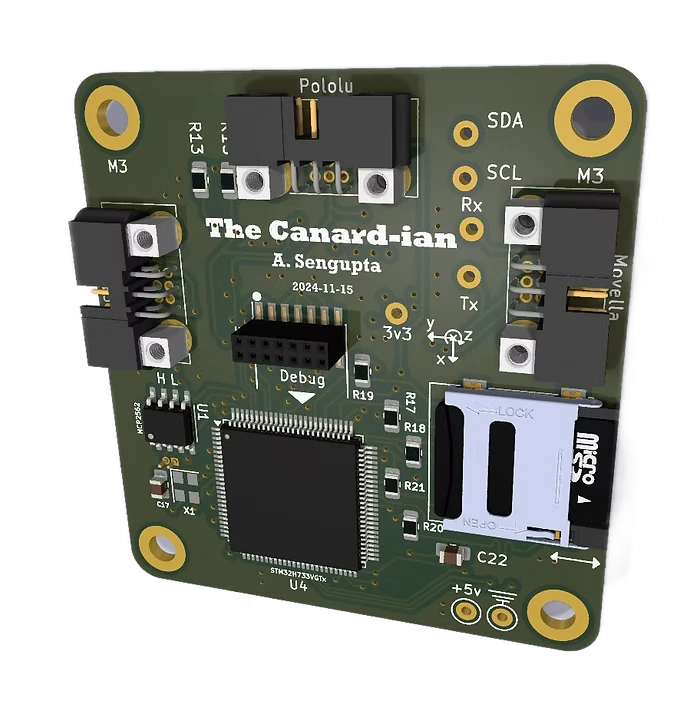
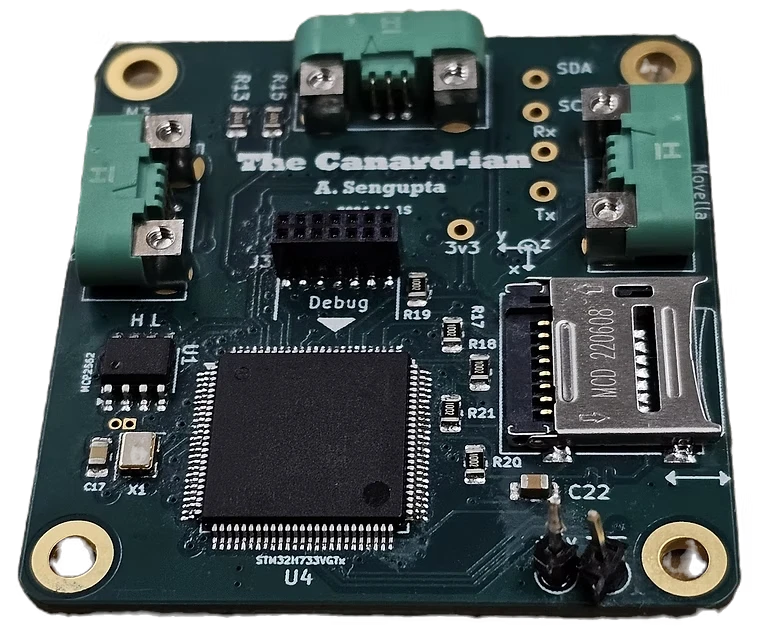
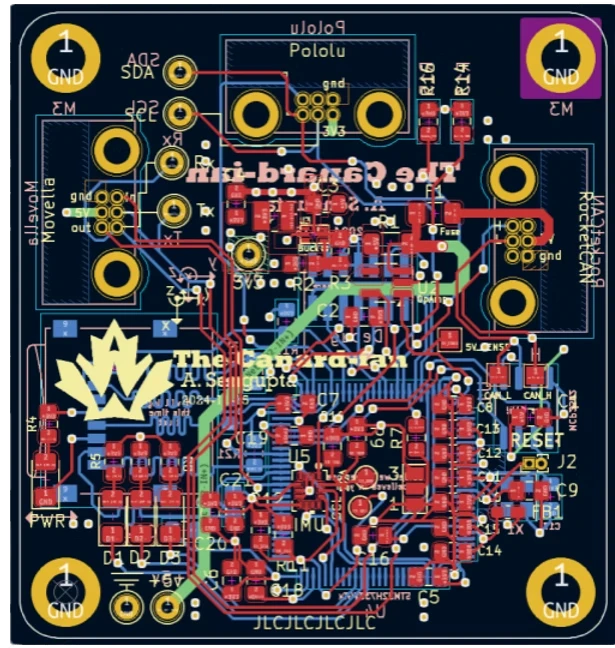
Designed the 4-layer avionics PCB for the canards, raising power efficiency from 66% to 95%
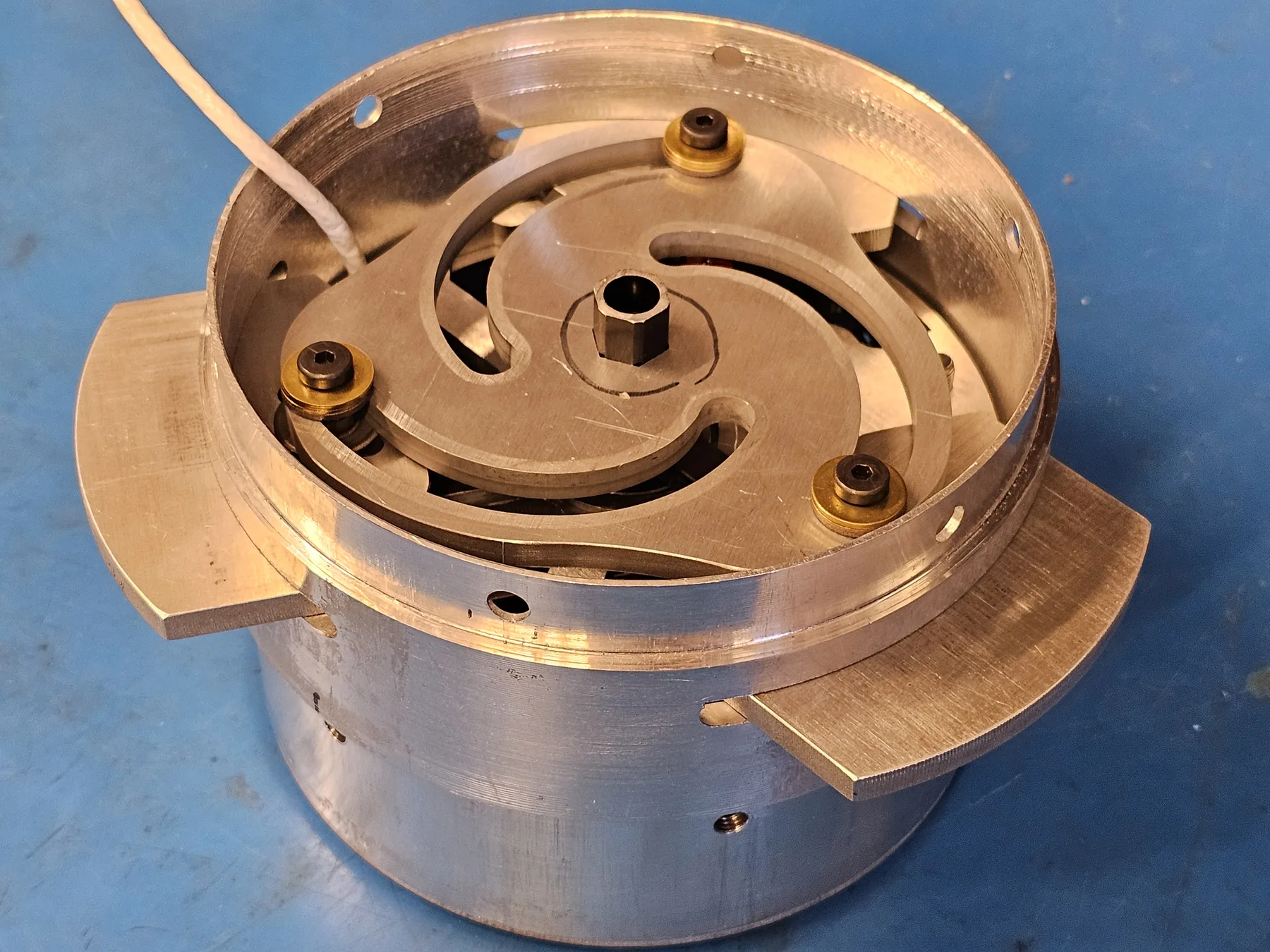
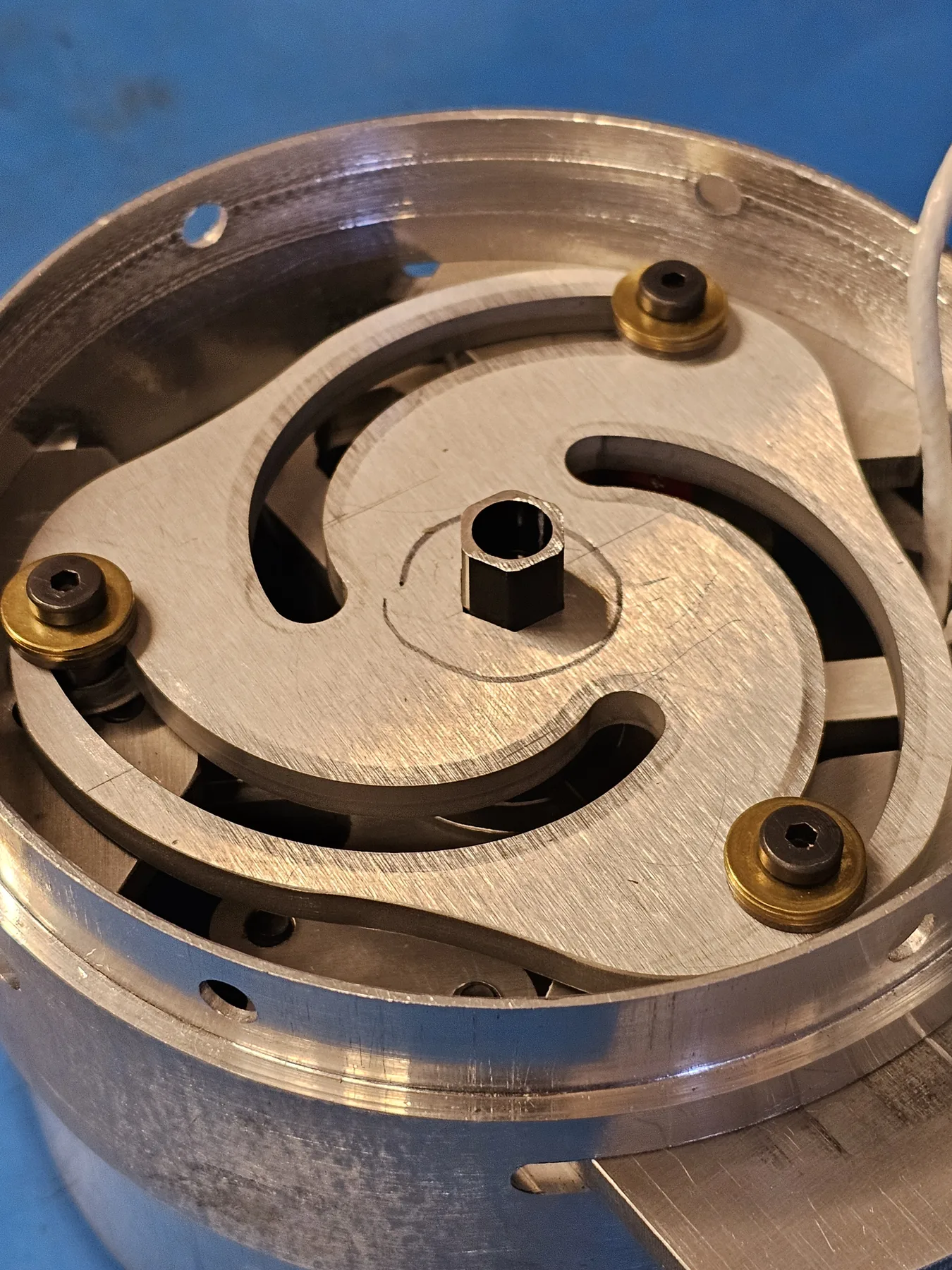
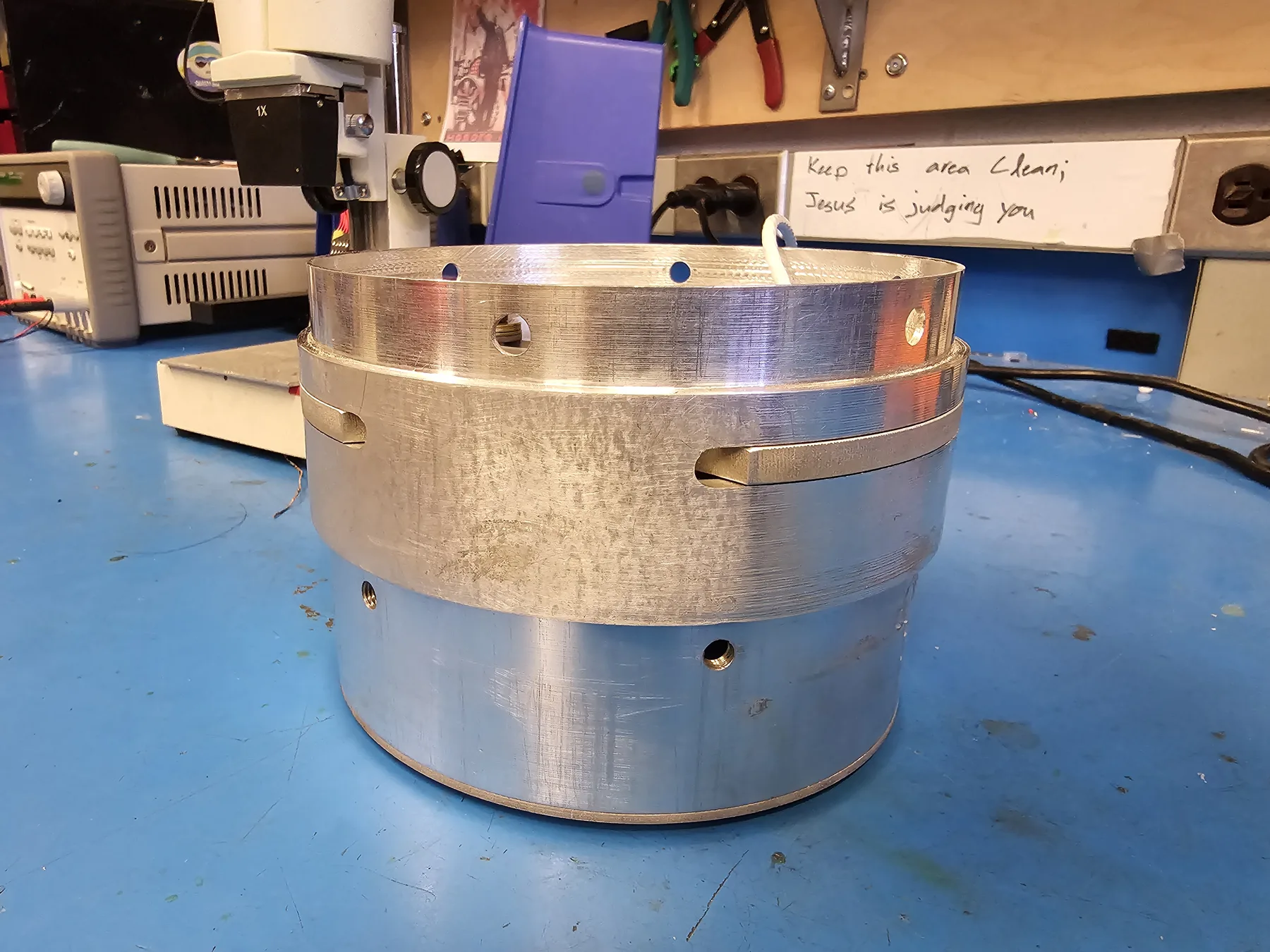
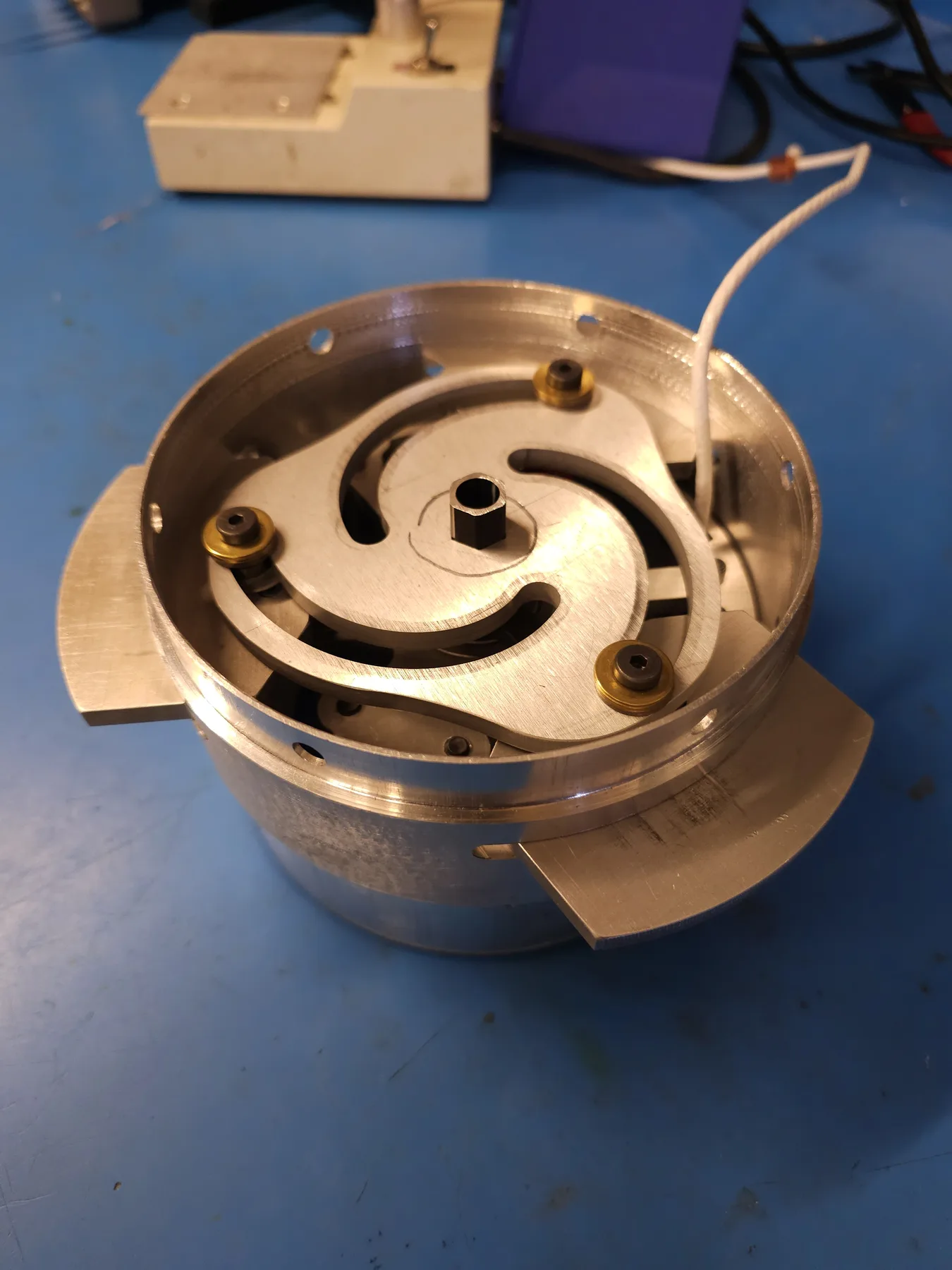
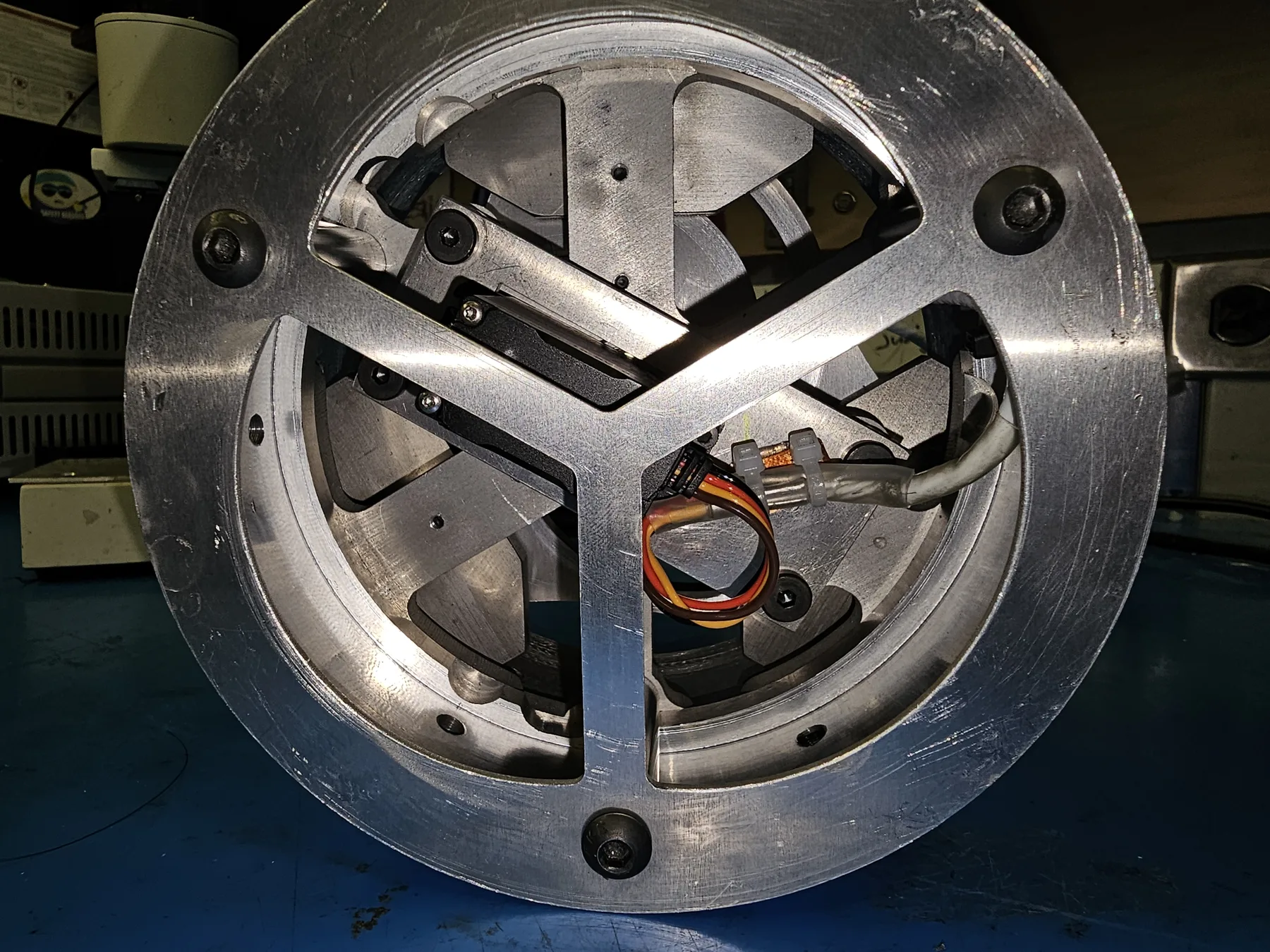
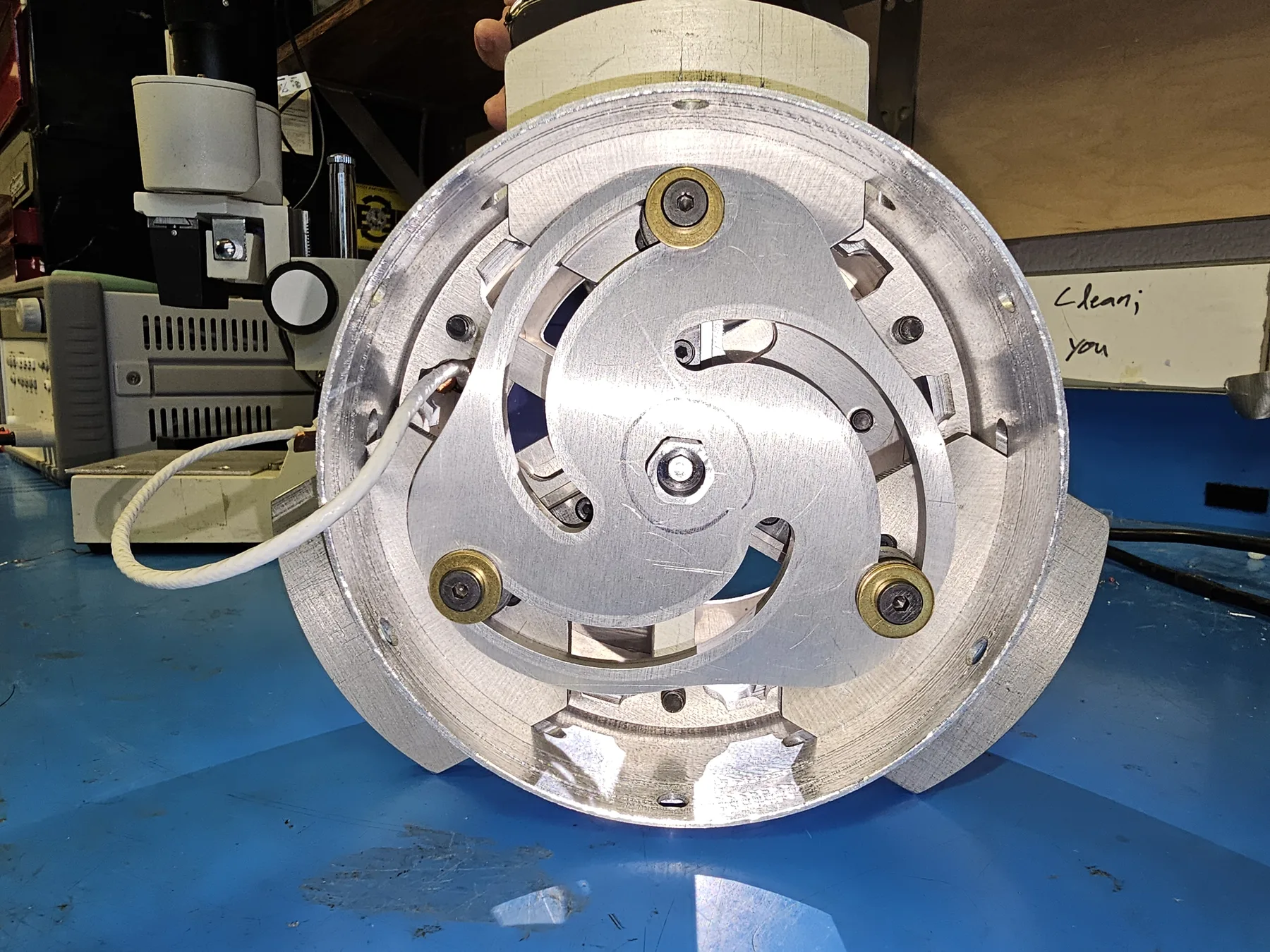
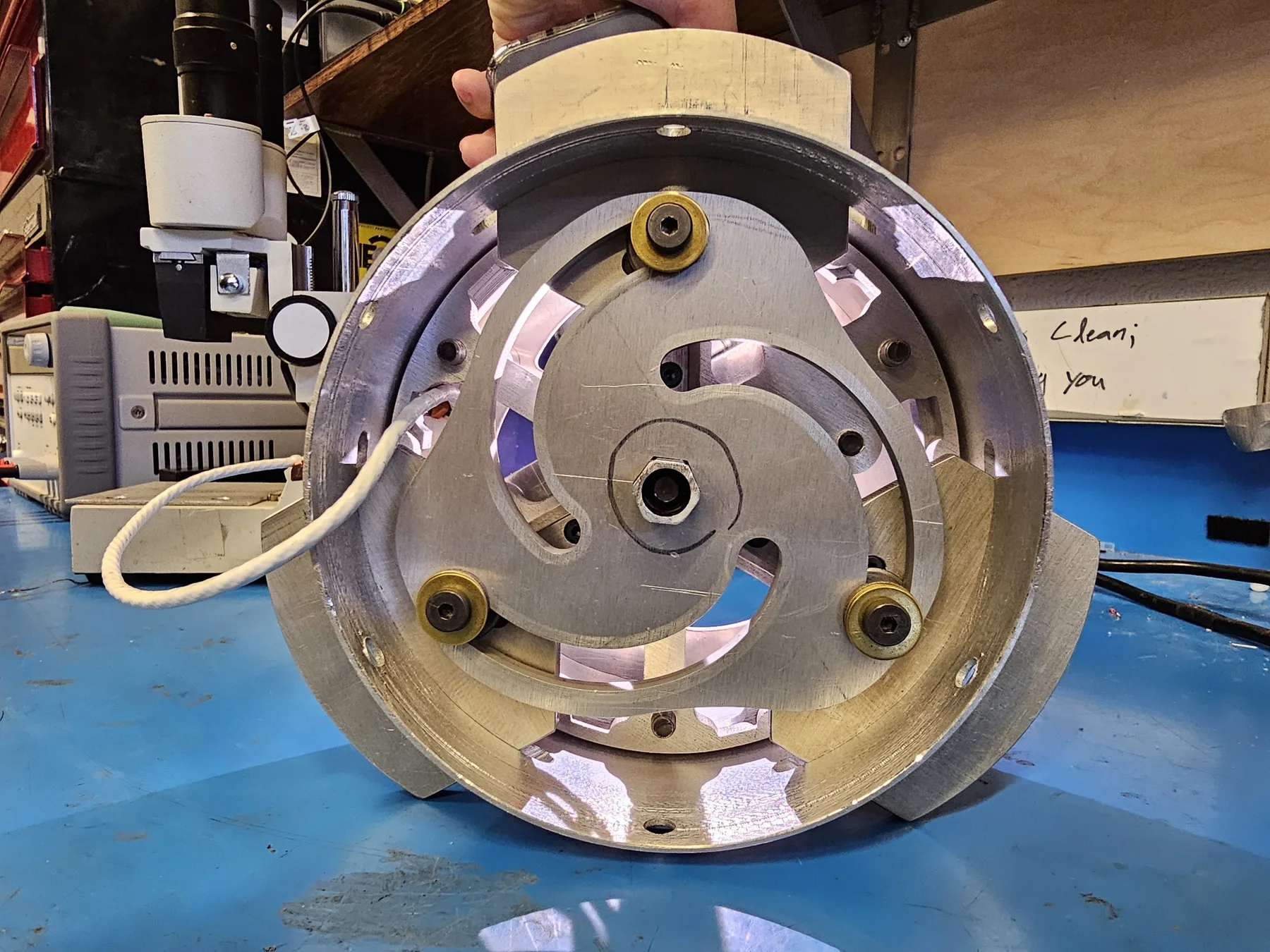
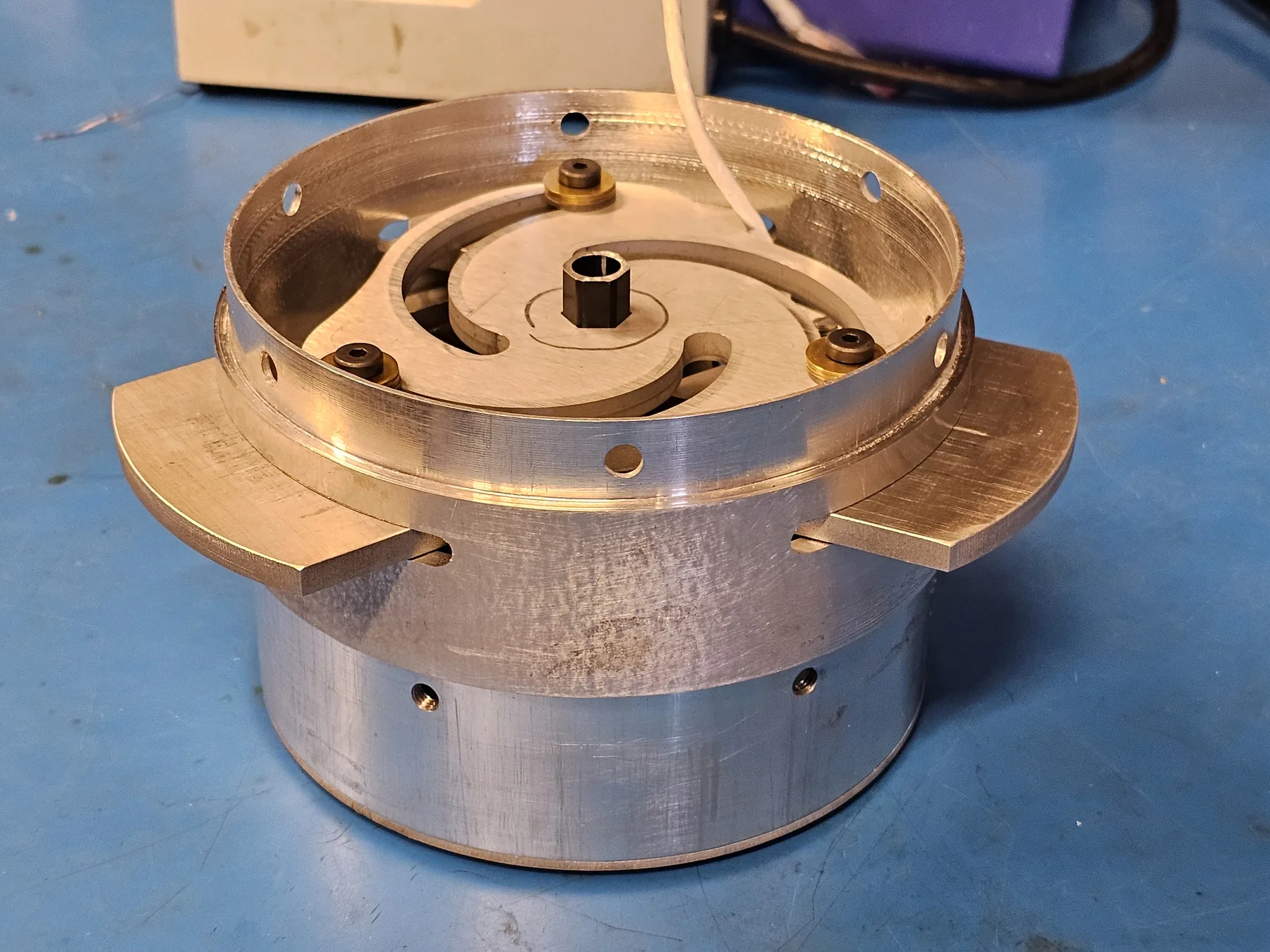
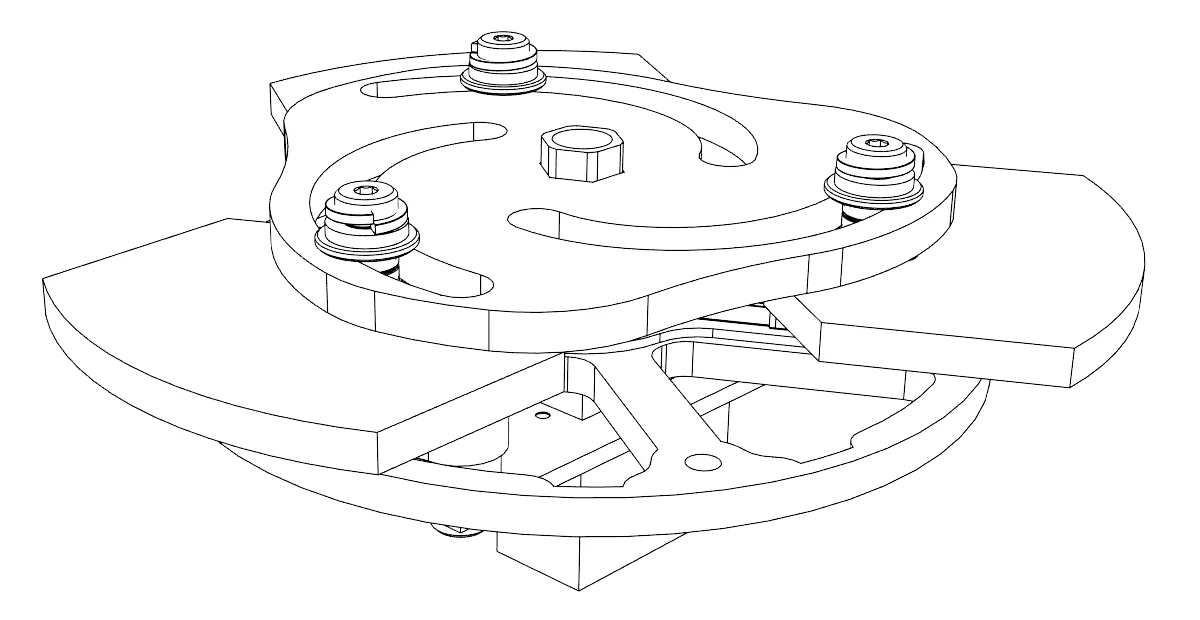
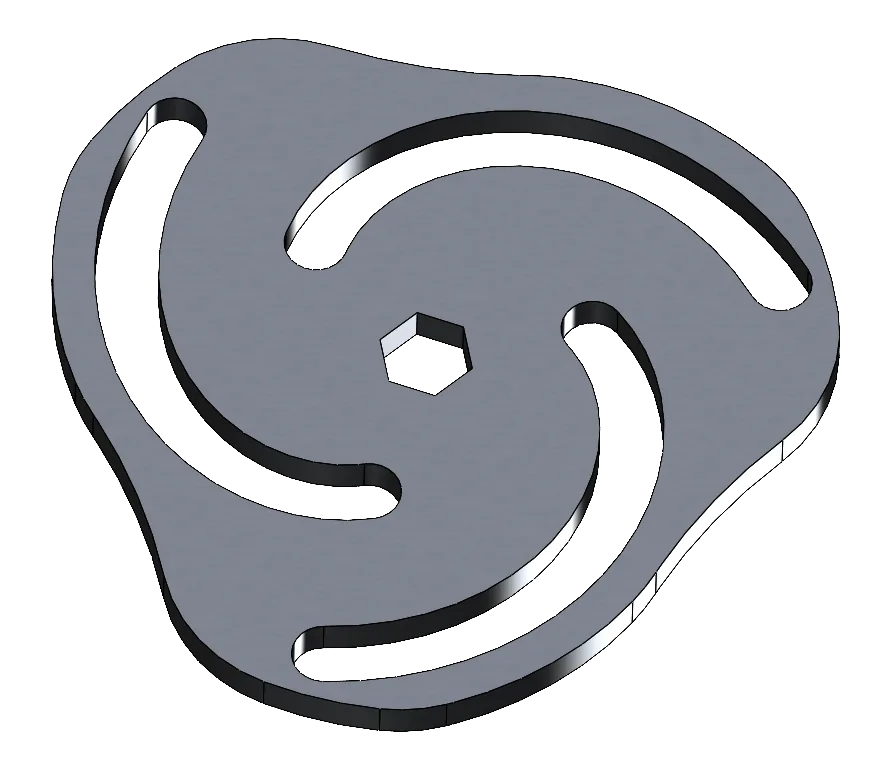
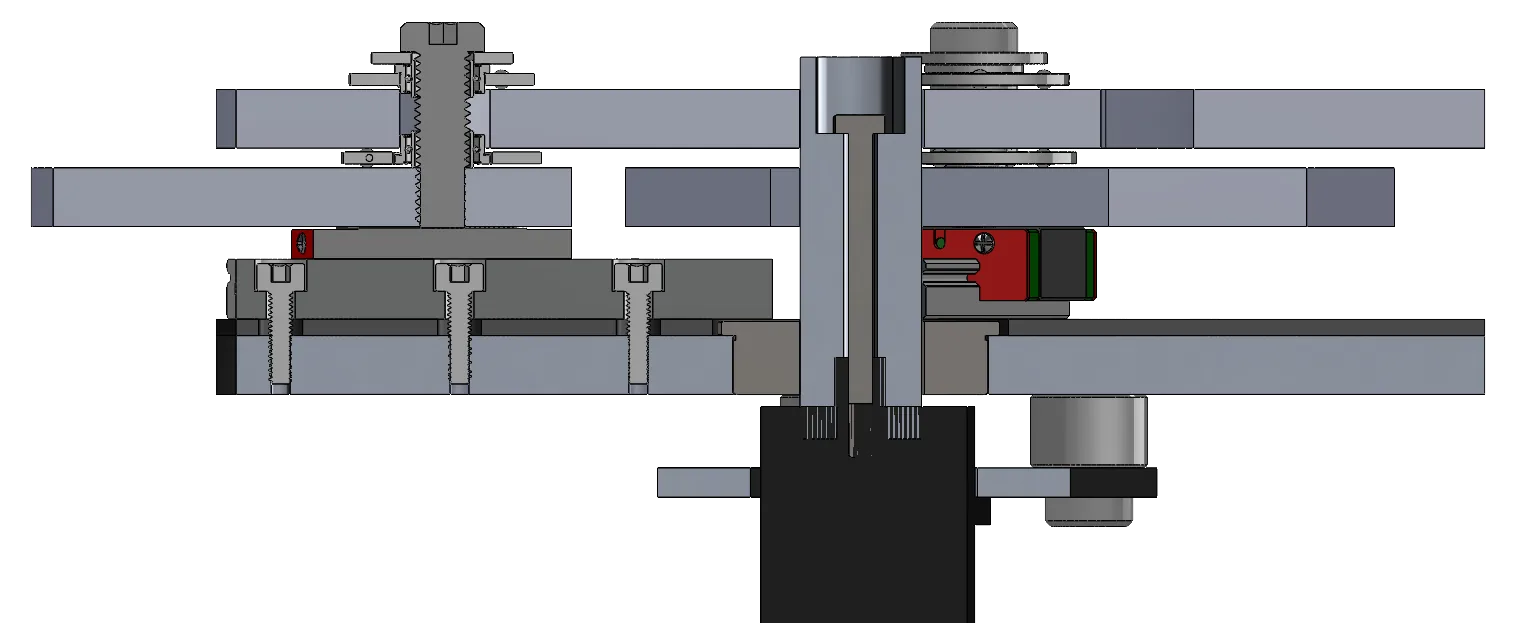
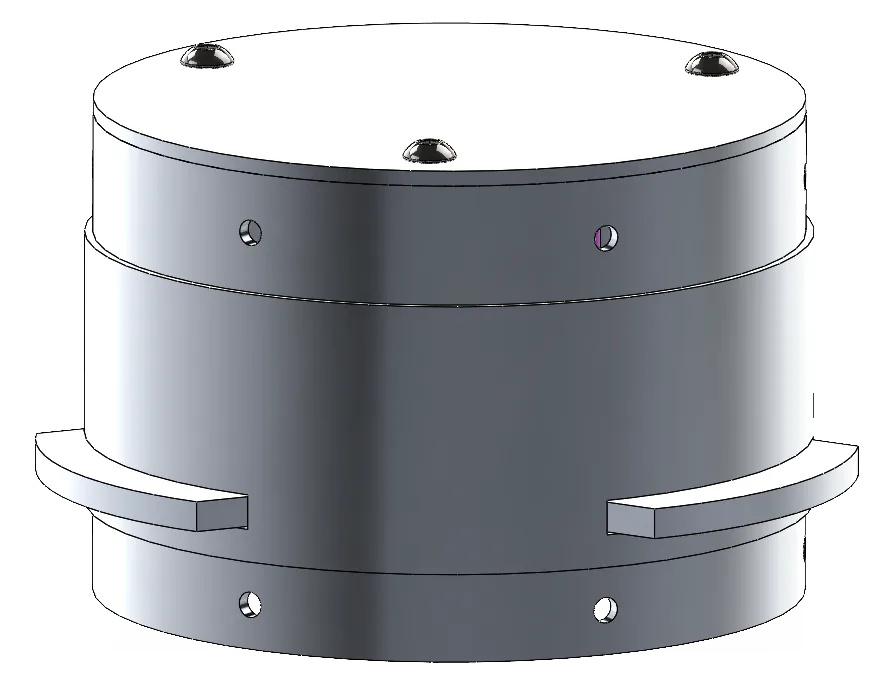
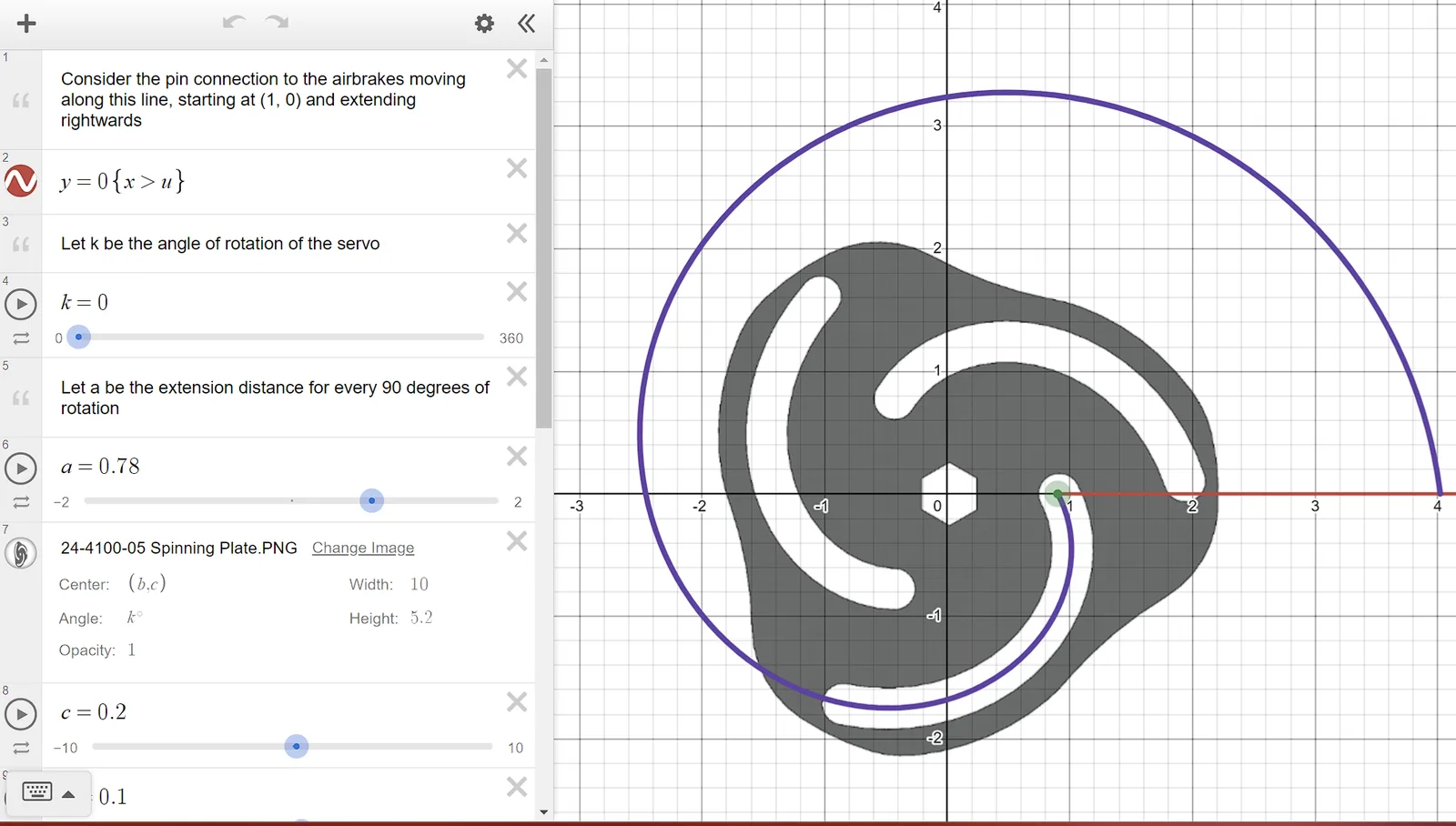
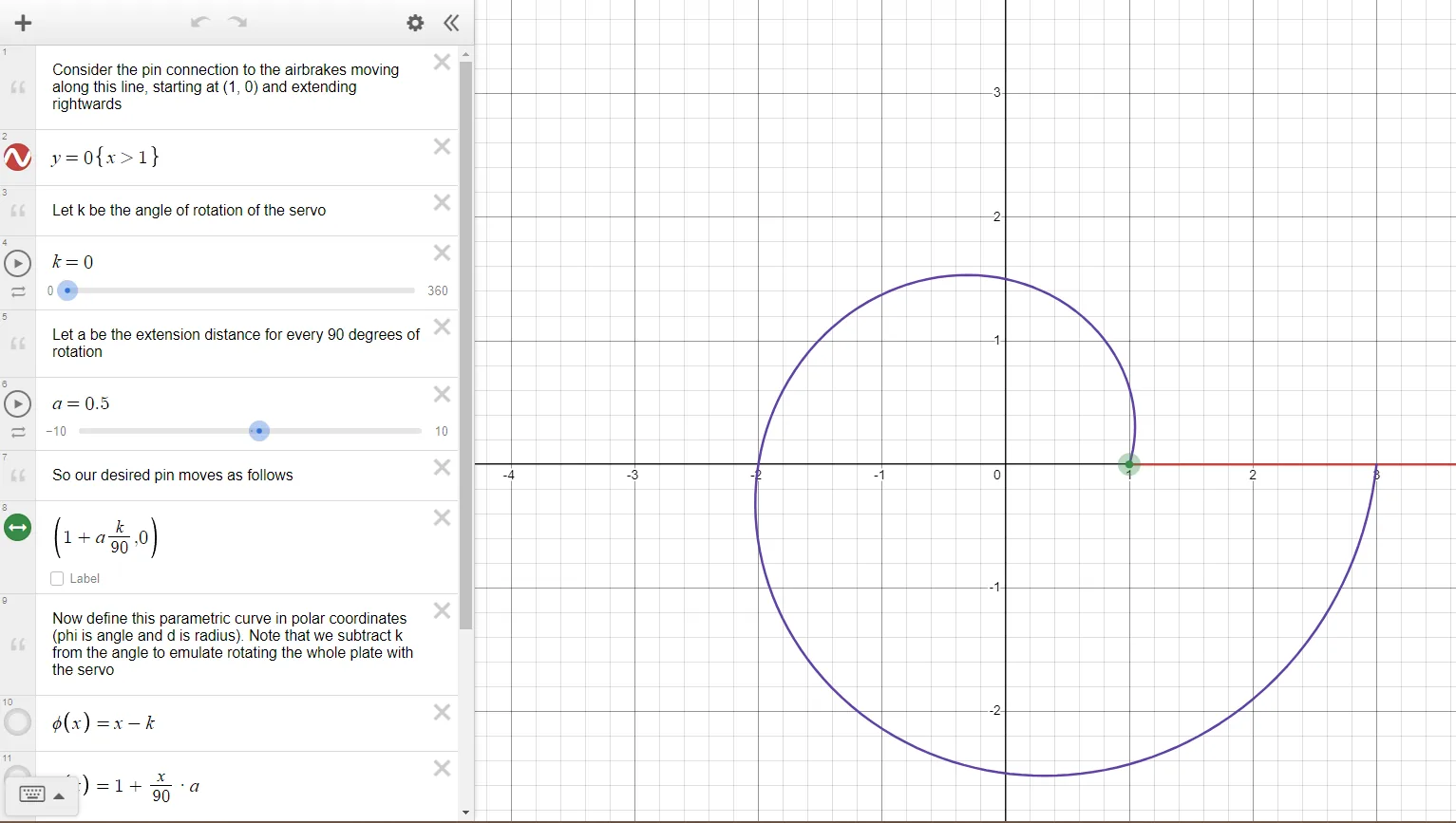
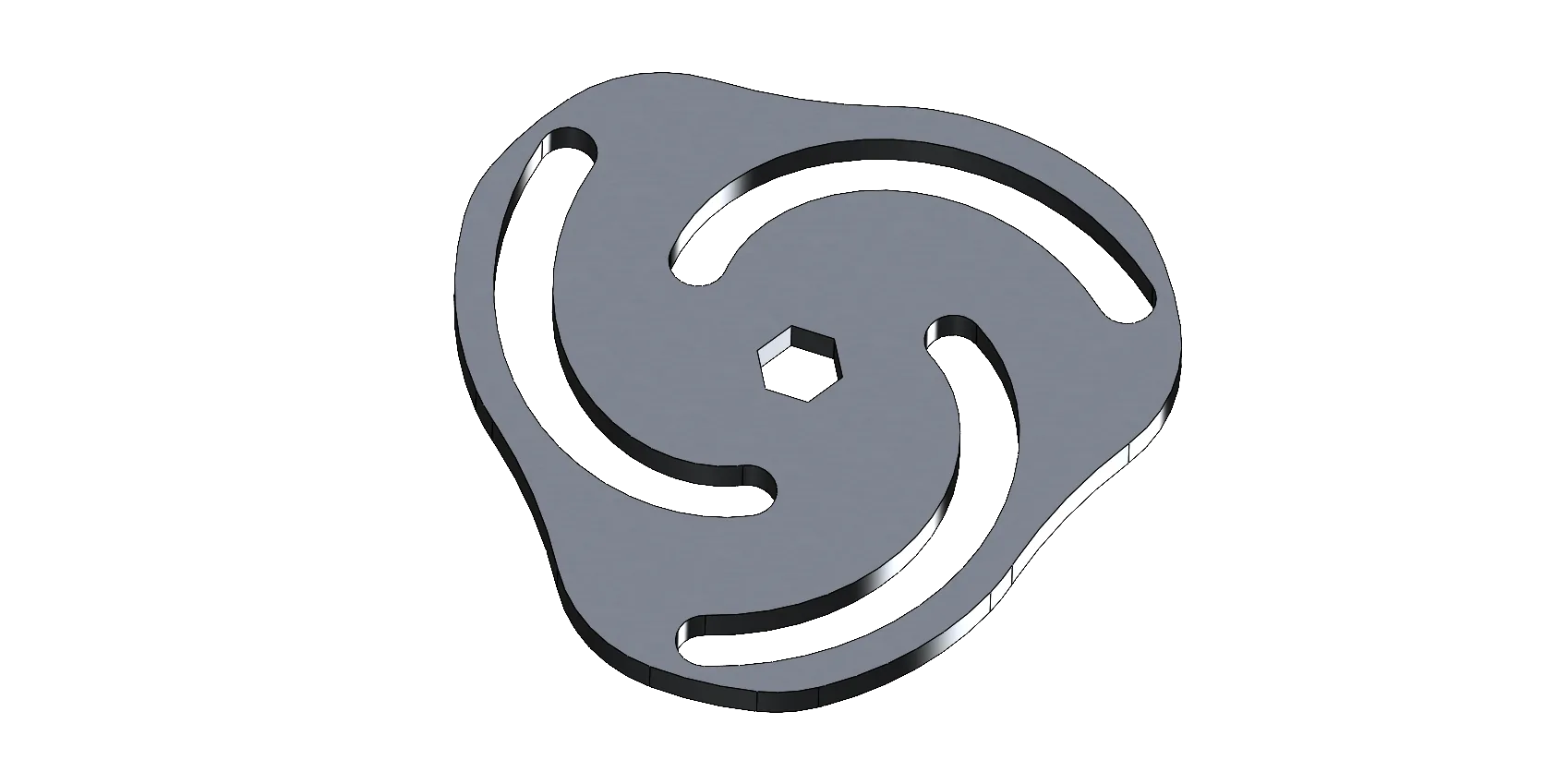
Airbrakes for Borealis, Canada's first liquid-fuelled student rocket. A modified cam-slot spiral drives three panels in perfect sync, with extension linear in servo angle.
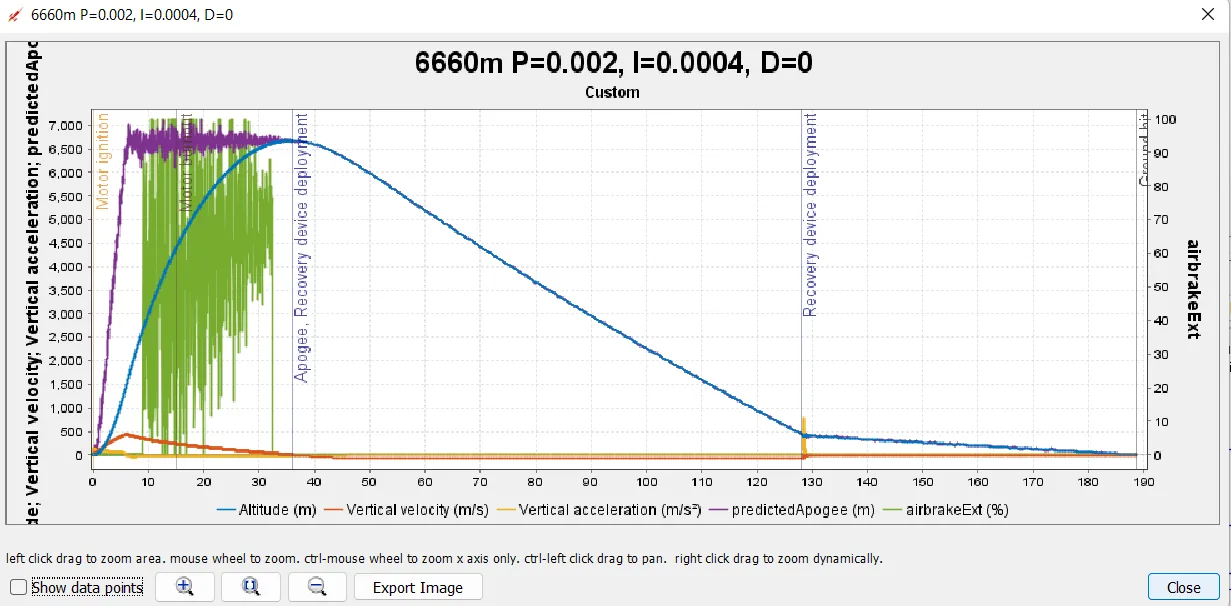
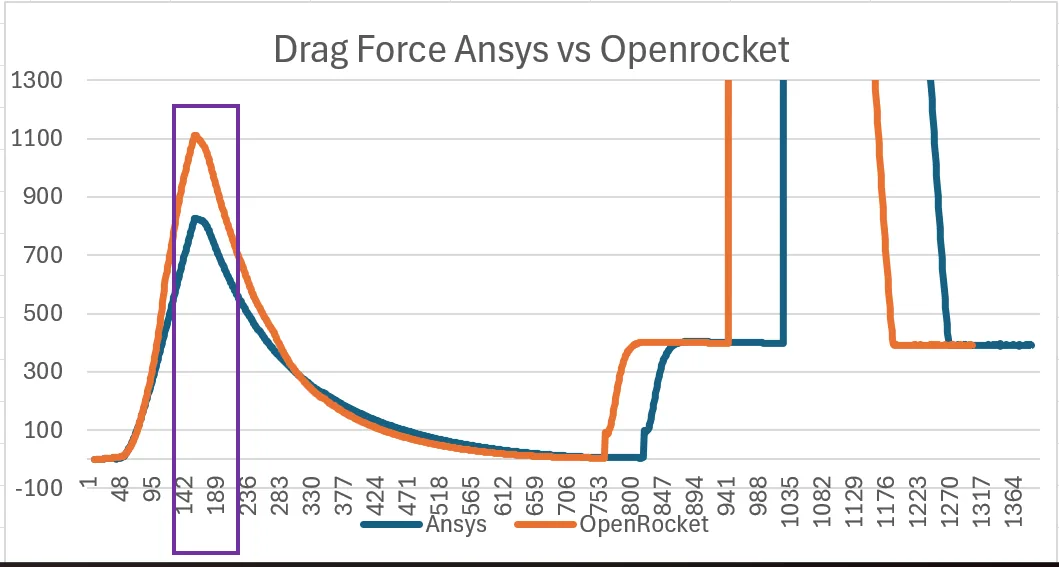
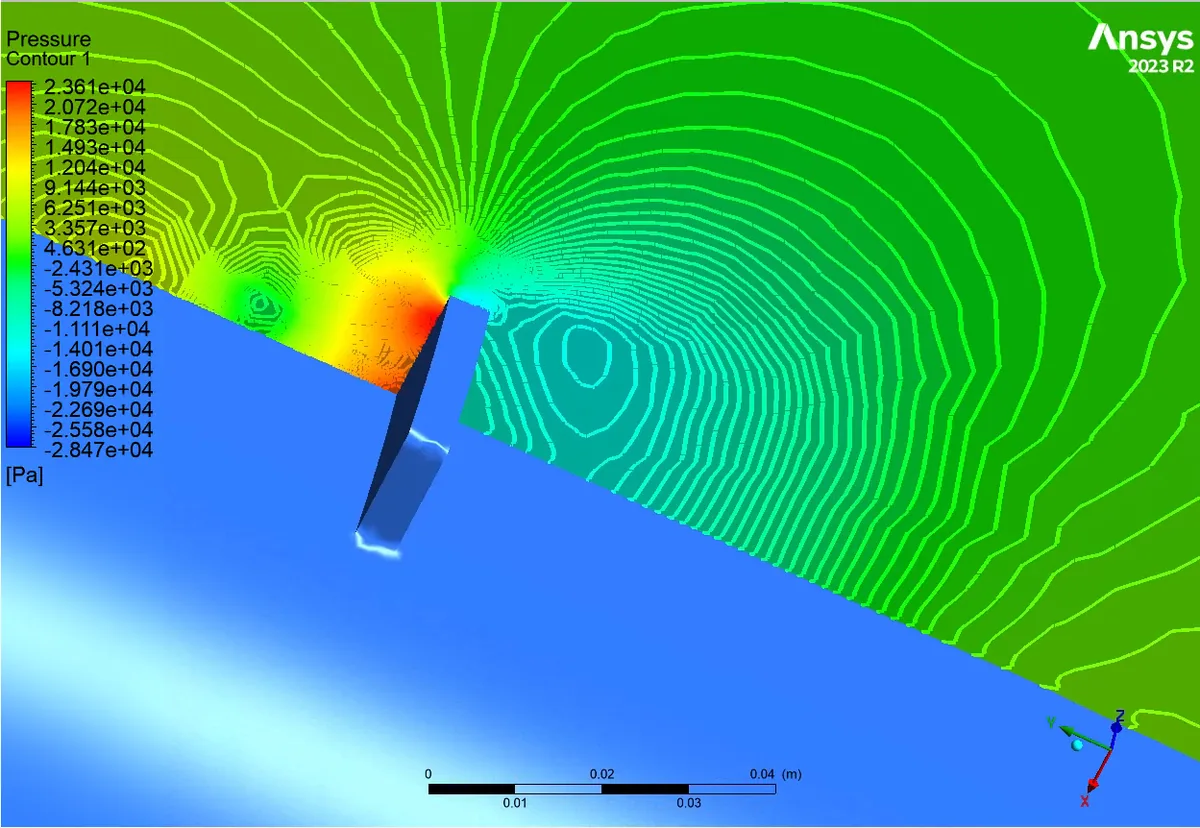
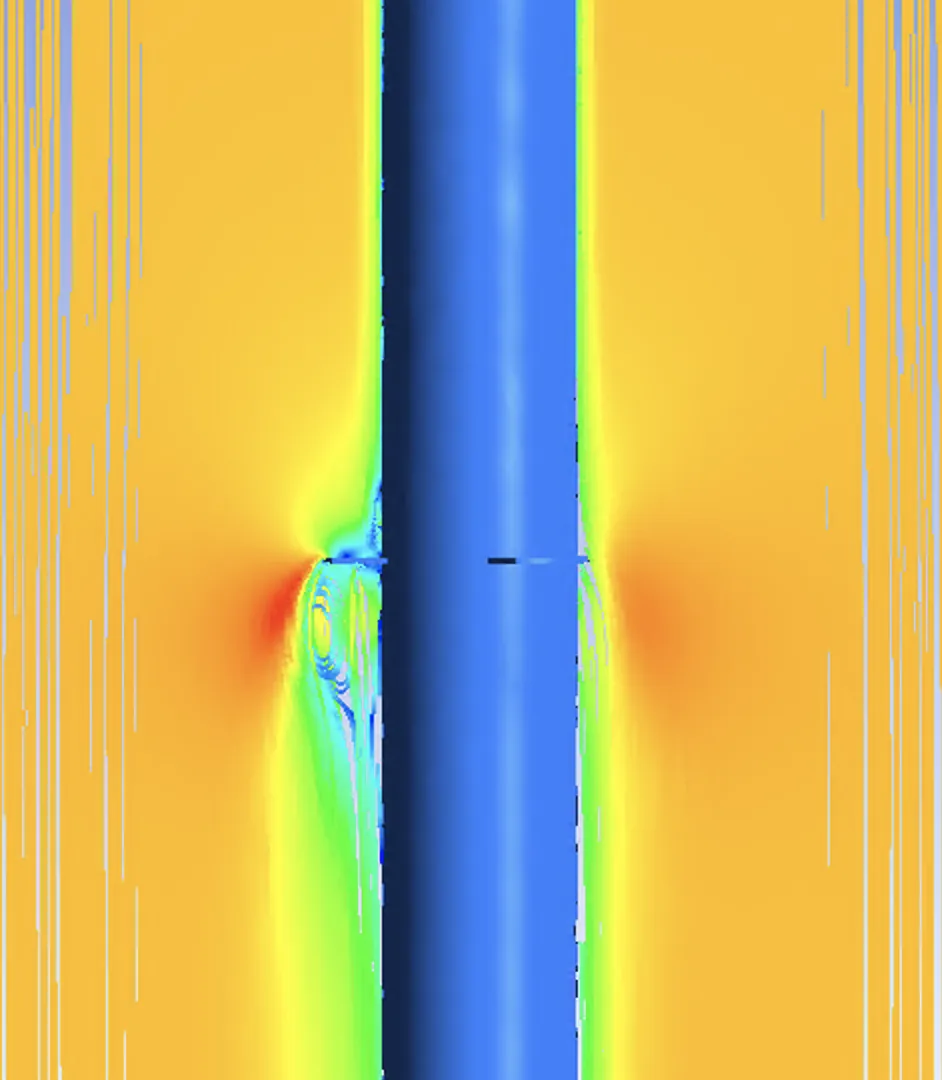
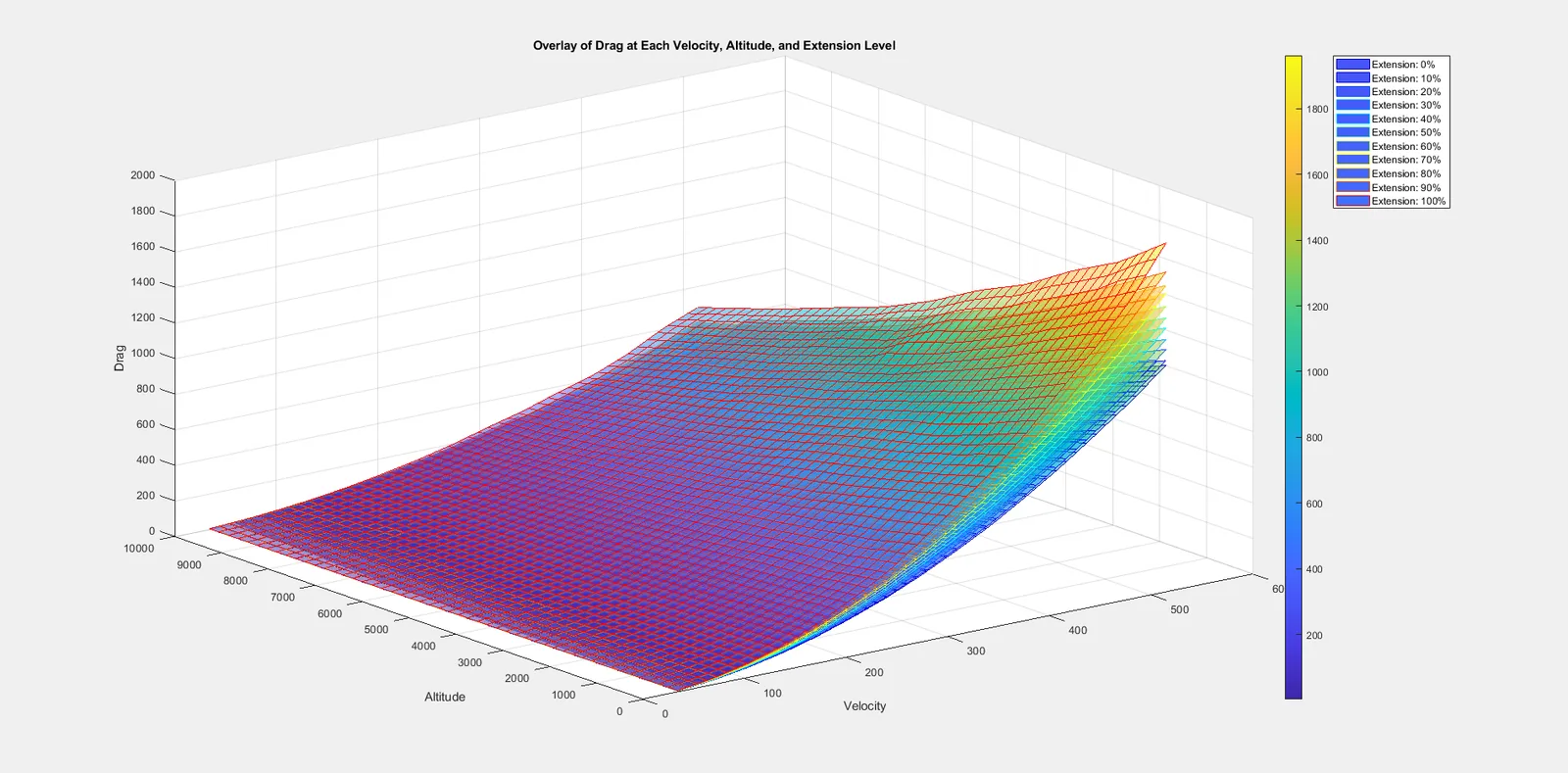
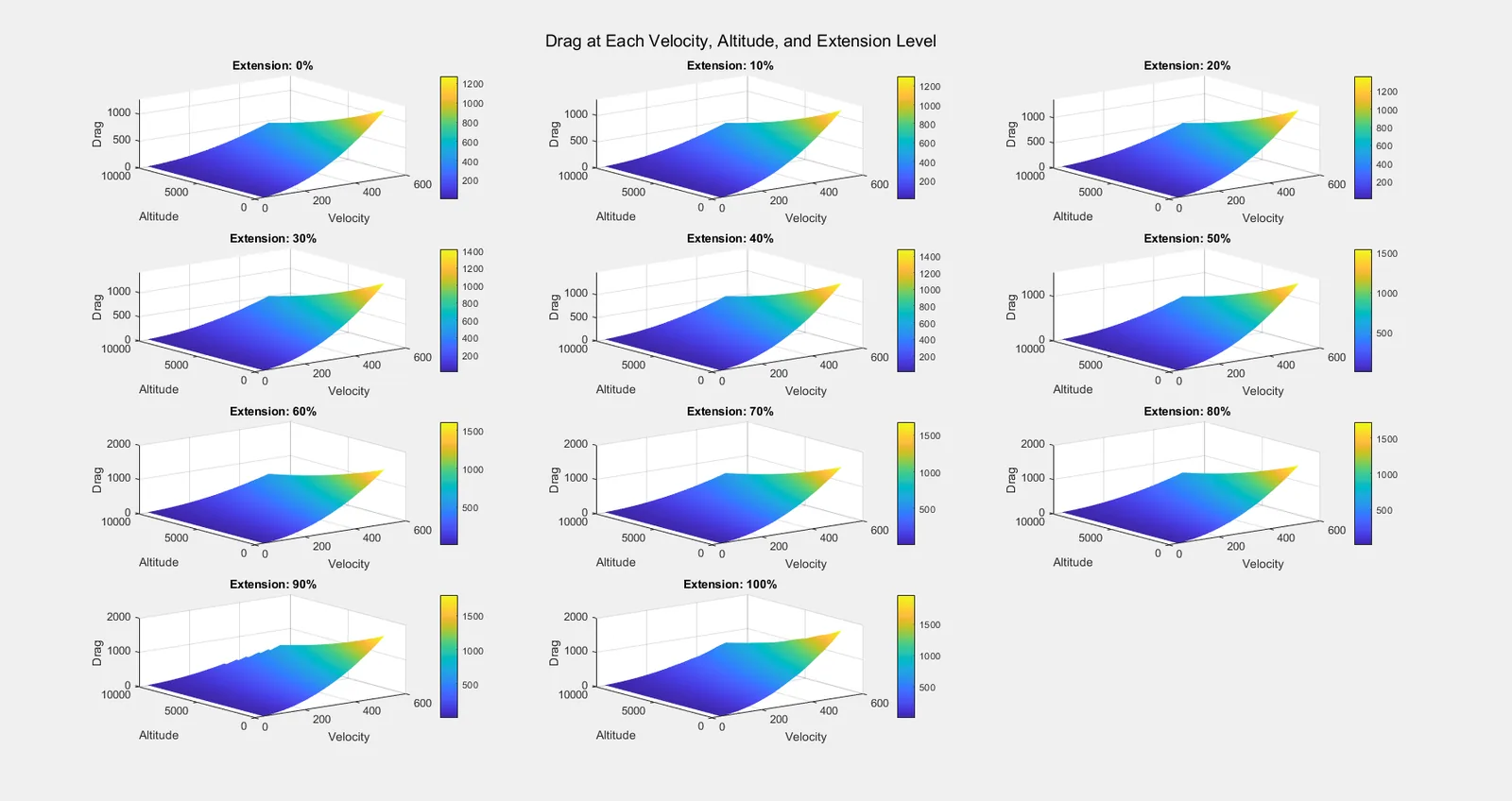
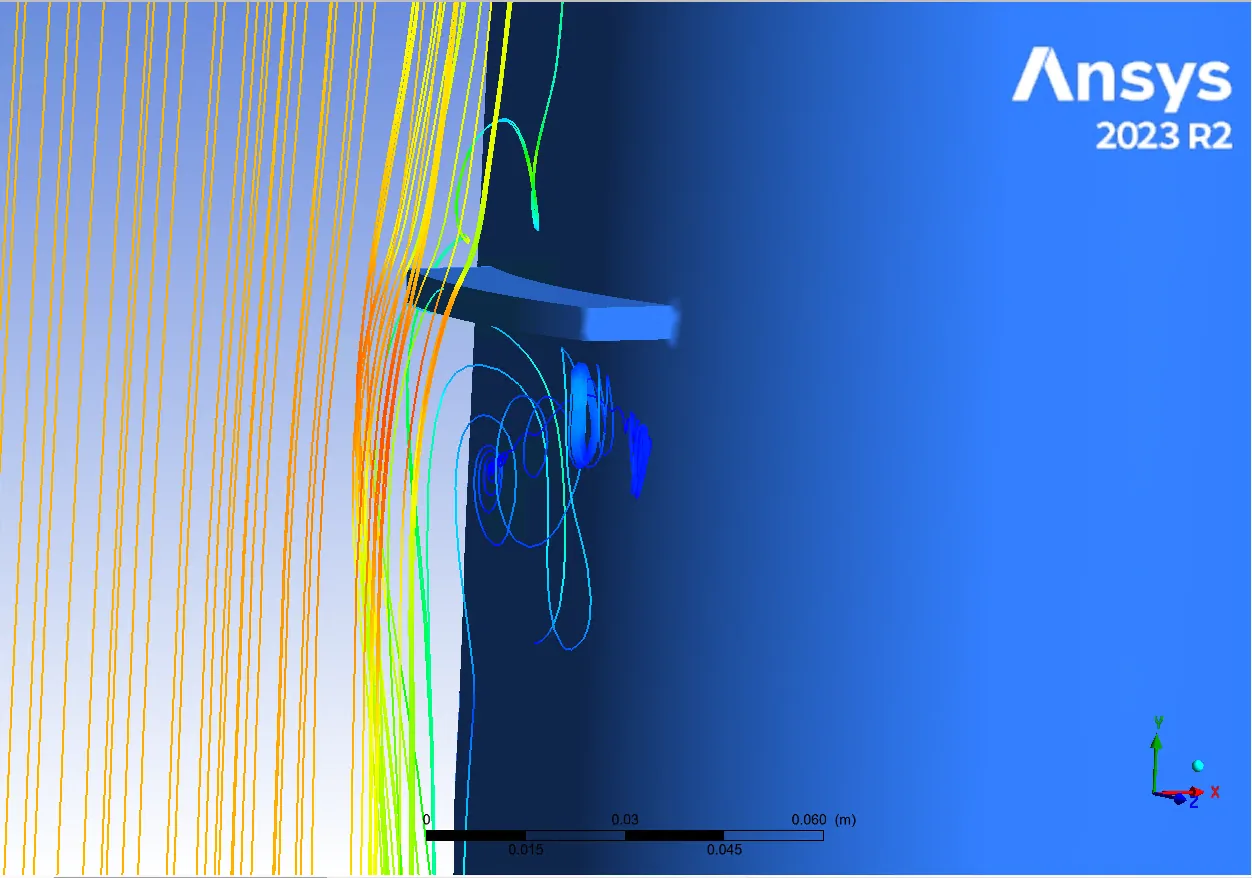
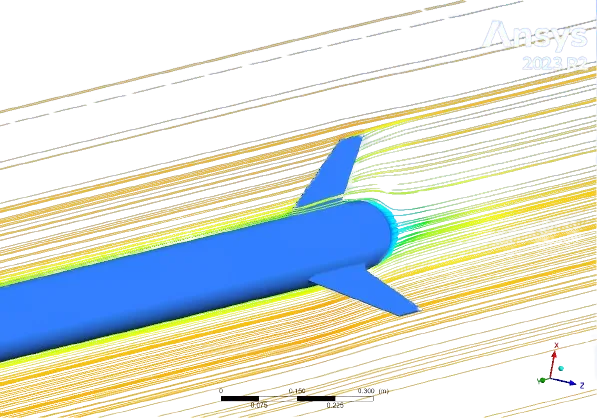
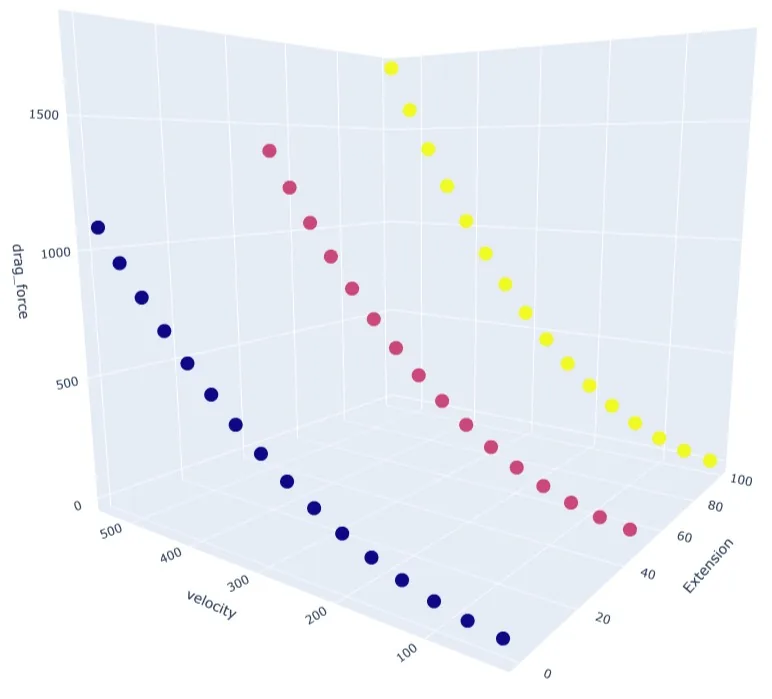
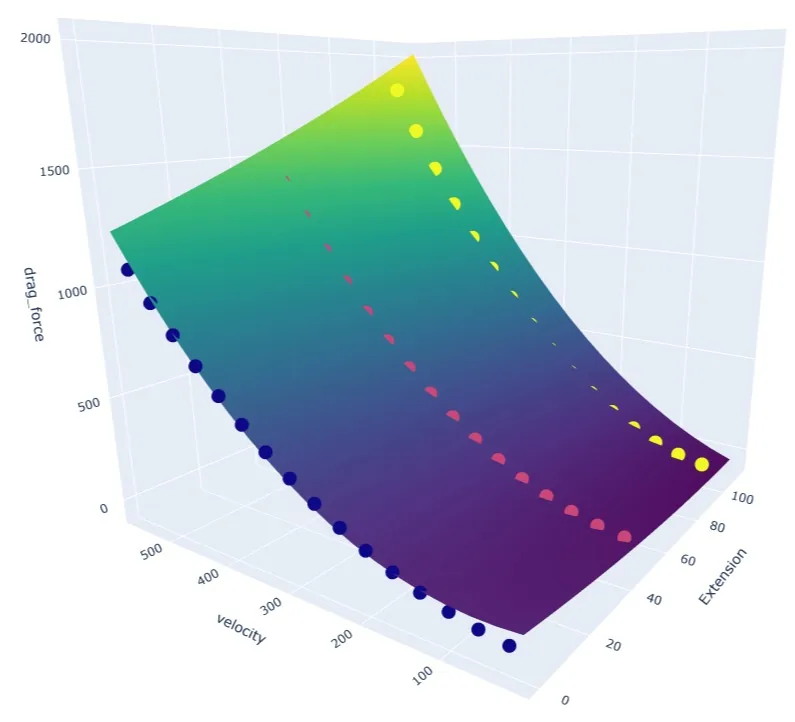
Ansys CFD gave C<sub>D</sub> against extension and checked the centre-of-pressure margin. STM32 / FreeRTOS firmware estimates state with a Madgwick filter, predicts apogee with RK4 and closes the loop with a PI controller. The 4-layer KiCad flight computer raised power efficiency from 66% to 95%.
Why airbrakes
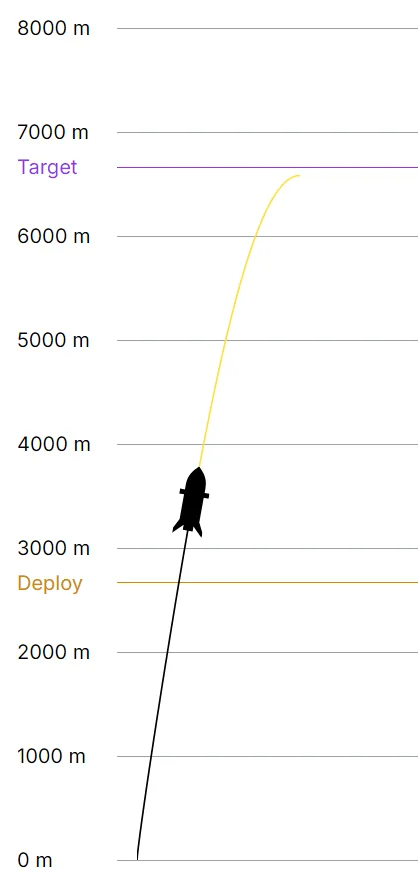
The competition rewards hitting the apogee you declare before launch. In 2023, without active control, the team came within 1,500 ft of its 30,000 ft target: 4th closest of 32 teams and best in the hybrid and liquid category. For 2024 the team added airbrakes to steer the rocket onto its target in flight. I worked across the whole subsystem: mechanical, simulation and firmware.
The mechanism
After researching other teams' designs and talking with mechanical engineering professors at Waterloo, I set four requirements:
One relatively low-power servo drives everything
All three panels extend together and are always in sync
Panel extension is linear in servo rotation
As compact and light as possible
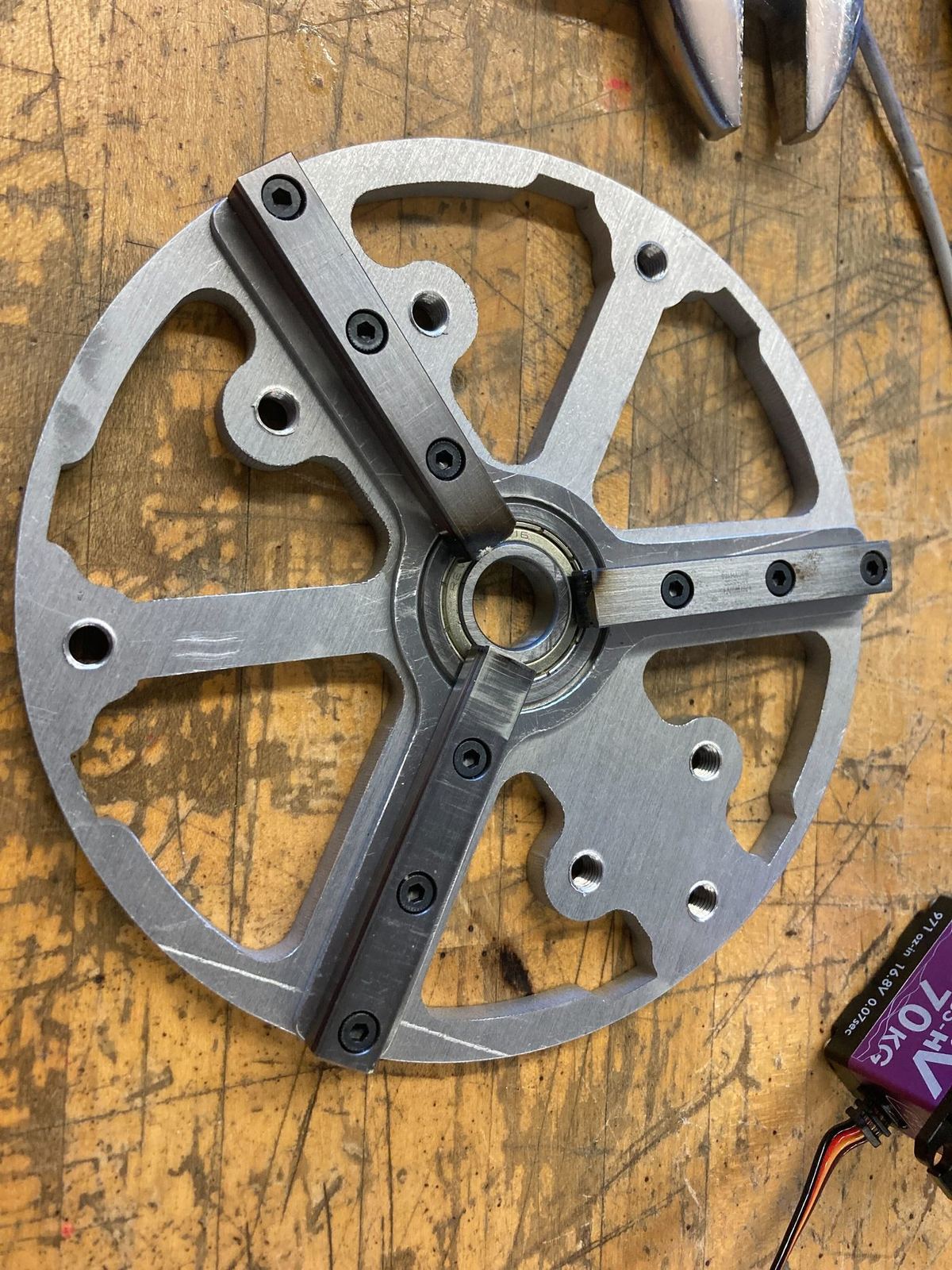
A cam-and-slot mechanism met the first two, but a standard slot isn't linear. I modified the slot profile so extension is proportional to rotation, put three of these spirals on one spinning plate, one per panel, and designed the rest of the assembly around it. I did the mechanical design independently.
Simulation
With a teammate I ran Ansys CFD on the panels to check that deploying them keeps the centre of pressure safely behind the centre of gravity, and to map drag coefficient against extension for the trajectory model.
Firmware
With about ten others on the subteam I wrote embedded C on an STM32 under FreeRTOS: state estimation, fourth-order Runge-Kutta apogee prediction, and closed-loop control of panel extension to hit the target apogee.
The flight
The rocket flew, but the propellant was underfilled by more than the airbrakes could correct for, so they correctly stayed retracted the whole flight.
The next board
For 2025 the team moved to roll-control canards, and I designed the new 4-layer central avionics board in KiCad. It raised power efficiency from 66% to 95%, with an onboard IMU over I²C, an external AHRS over UART and a second external IMU over I²C.
C · FreeRTOS
STM32
DMA · interrupts
KiCad
Ansys CFD
SolidWorks
Media
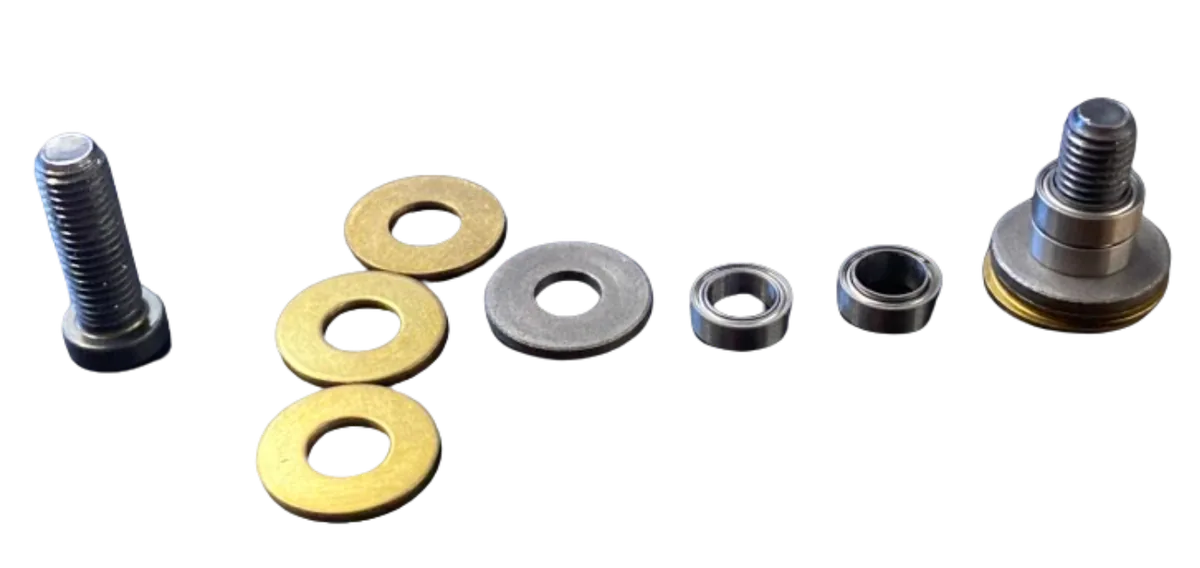
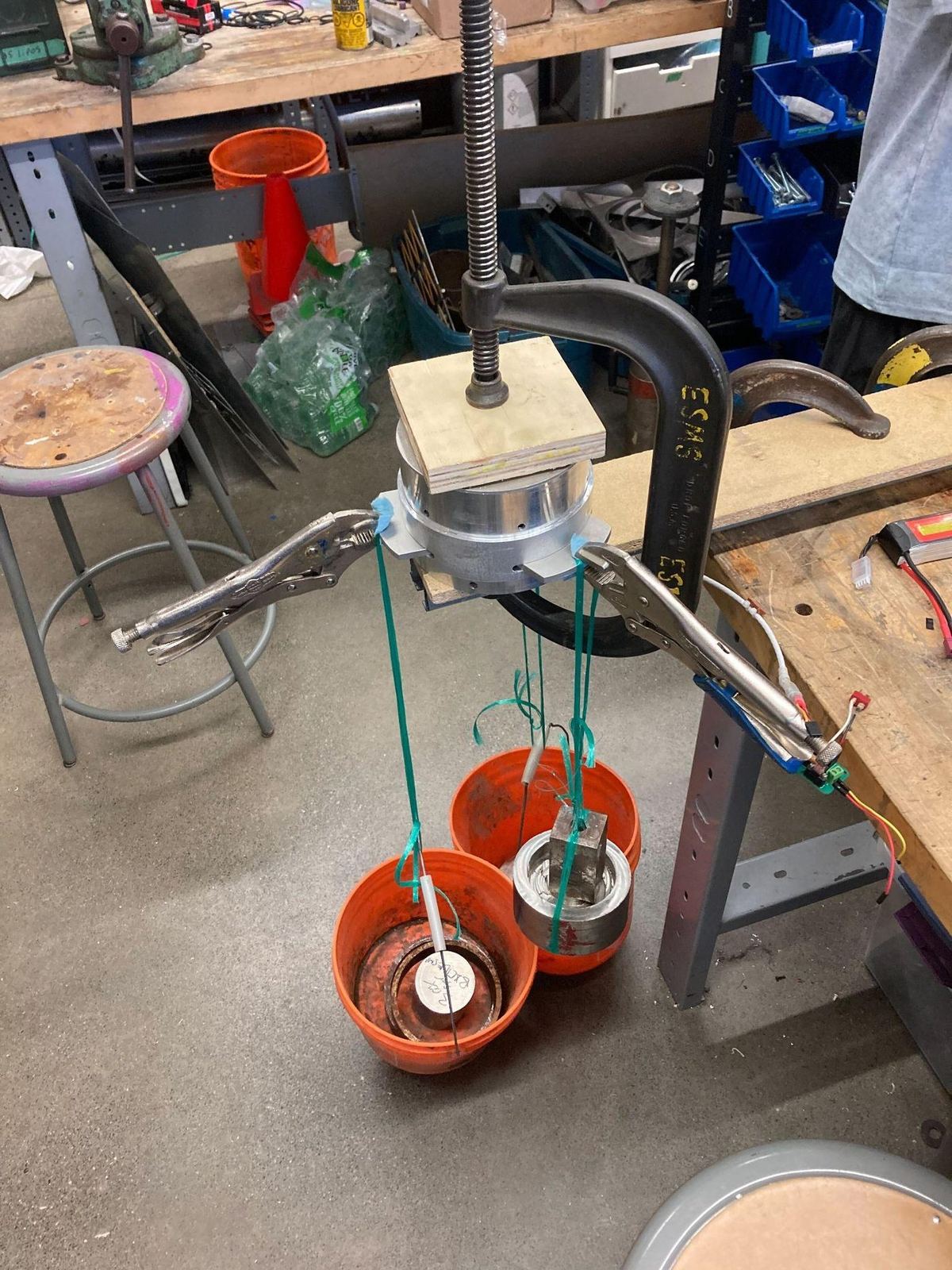
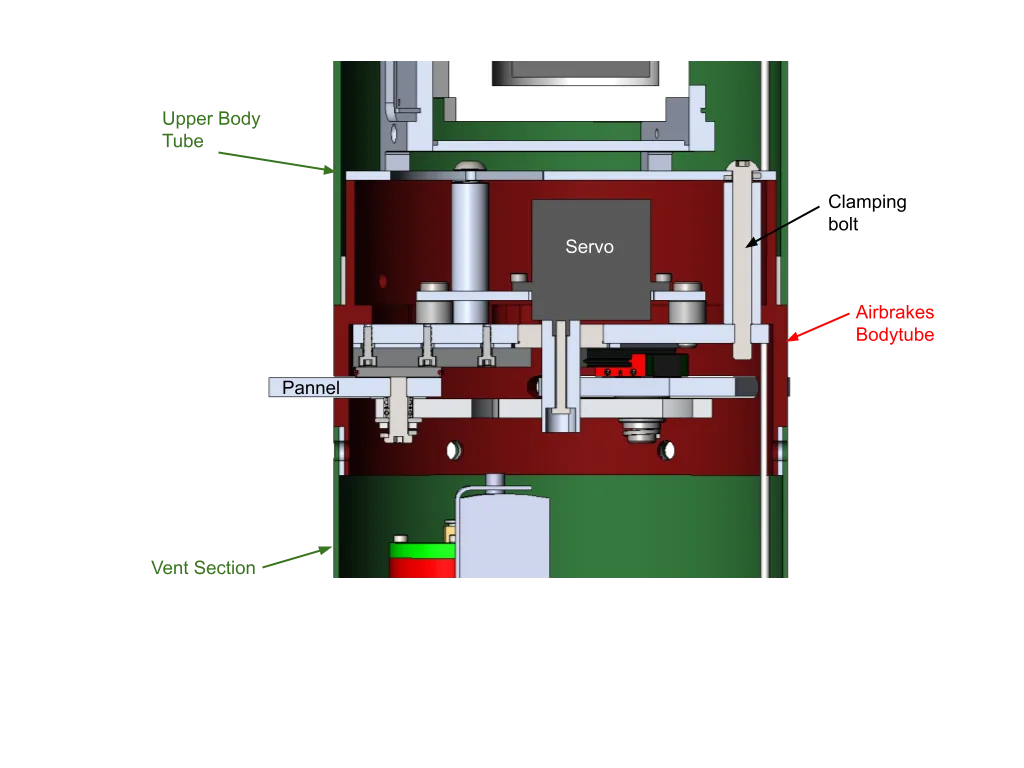
▶Borealis launch, Launch Canada 2024Bench actuation: the cam plate drives all three panels out togetherBench actuation, top view through the clear cam plateThe machined airbrakes, panels deployedCam plate and followers, close upPanels deploying through the airframeActuation seen from below, inside the body tubeRetracted: the panels sit flush with the airframePanels deployedPanels deployed, three-quarter viewSpiral cam plate from aboveDeployed, from abovePanels deployed, side viewUnderside: three-spoke bulkhead and servoBrass shims and bearings on the followersThe Canard-ian: 4-layer STM32H7 avionics board for the roll-control canards (render)The Canard-ian, assembledThe Canard-ian, KiCad layoutFinal design, panels deployedFinal design, panels retractedUnderside: rail carriages and the brushless servoLine-drawing renderThe three-slot cam plateAssemblyCross-section through the follower stack and servo couplerPanels deploying through the airframeCam-slot study: 0.78 in of travel per 90° of rotationMachined bulkhead with linear railsMachined bulkhead with bearingFollower parts: shoulder bolt, brass shims, bearings15 lb-per-panel repeated-actuation testSection view of the vent section, airbrakes and upper body tubeFirmware block diagramState estimation with a Madgwick filterRK4 apogee predictionPI tuning in OpenRocket (D = 0)Drag: Ansys against OpenRocketCFD: pressure on the panelsCFD: flow around the panelsDrag against velocity, altitude and extensionDrag tablesBorealis, the Waterloo Rocketry liquid rocketAirbrake mechanism render, panels retractedAirbrake module with the three panels extendedAirbrake module, external viewAirbrake assembly cross-sectionCross-section through the cam plate and panelsAnsys CFD: streamlines past the airbrakesAnsys CFD: flow over the rocket bodySimulated drag data across extension and velocityRegression surface fitted to the drag dataModified spiral slot profile: linear extension per degree of servo rotationSpinning cam plate with three spiral slots, one per panel